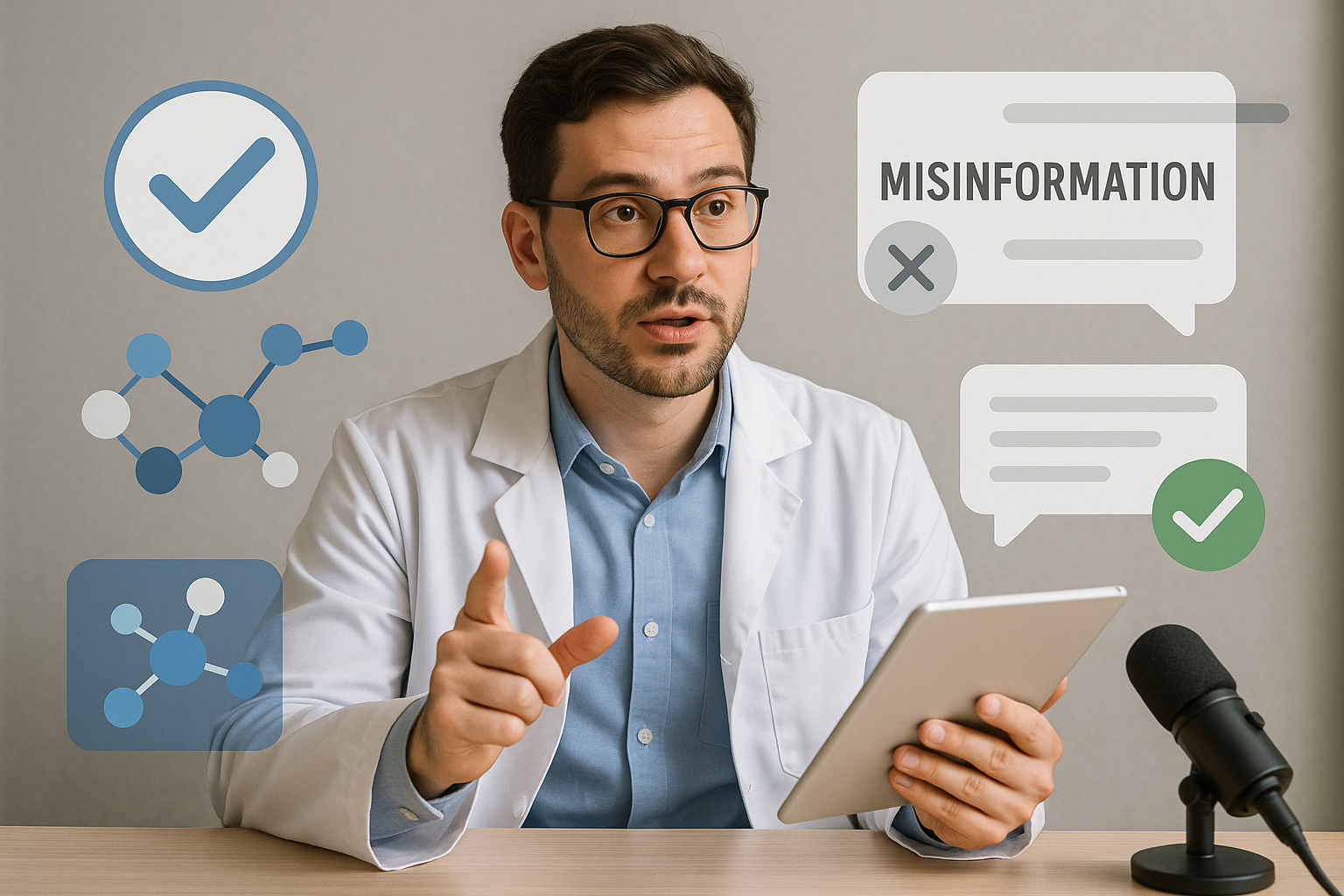
The life sciences industry faces an unprecedented trust crisis. While medical science has achieved remarkable breakthroughs—from mRNA vaccines developed in record time to gene therapies curing previously untreatable diseases—public confidence in pharmaceutical companies, biotech firms, and healthcare institutions has eroded significantly. This paradox reflects a broader societal challenge: the proliferation of health misinformation that spreads faster and reaches further than factual information, creating confusion, skepticism, and sometimes dangerous health behaviors.
The COVID-19 pandemic starkly illustrated this challenge. Despite heroic scientific achievements producing effective vaccines in unprecedented timeframes, misinformation about vaccine safety, efficacy, and intent undermined public health efforts and cost lives. This wasn’t an isolated incident but rather an acute manifestation of chronic problems affecting health communication across therapeutic areas, from vaccine hesitancy to cancer treatment misinformation, from dietary supplement claims to alternative medicine promotion.
For life sciences organizations, this environment presents both existential threats and strategic imperatives. Companies that successfully build trust gain competitive advantages through stronger brand equity, improved patient adherence, enhanced stakeholder relationships, and greater resilience during controversies. Those that fail risk declining market share, regulatory scrutiny, reputational damage, and ultimately, reduced ability to deliver health innovations to patients who need them.
This comprehensive guide examines the misinformation landscape affecting life sciences, explores evidence-based strategies for building and maintaining trust, provides practical frameworks for responding to misinformation, and offers actionable guidance for organizations committed to becoming trusted partners in advancing human health.
Understanding the Misinformation Crisis
Effectively addressing misinformation requires understanding its nature, sources, spread mechanisms, and impacts on stakeholder perceptions and behaviors.
Defining Misinformation, Disinformation, and Malinformation
These terms, often used interchangeably, represent distinct phenomena requiring different responses. Misinformation refers to false or inaccurate information shared without intent to deceive—people genuinely believe and share incorrect health information thinking they’re being helpful. Disinformation involves deliberately false information created and spread with intent to mislead for financial, political, or ideological purposes. Malinformation consists of genuine information shared inappropriately or out of context to cause harm.
Life sciences organizations encounter all three types. Well-meaning patients share misinformed concerns about medication side effects. Conspiracy theorists deliberately spread disinformation about pharmaceutical industry intentions. Competitors or critics selectively present factual information misleadingly to damage reputations.
Understanding which type you face informs response strategies. Misinformation often responds to education and correction. Disinformation requires more sophisticated approaches including exposing sources, prebunking narratives, and building resilience against manipulation. Malinformation demands context provision and narrative reframing.
Sources and Amplification Mechanisms
Health misinformation originates from multiple sources. Alternative health practitioners promote unproven treatments, often with financial motivations. Anti-establishment activists distrust pharmaceutical companies and government health agencies, seeing conspiracies in legitimate public health efforts. Wellness influencers lacking medical expertise share health advice to massive social media followings. Foreign actors sometimes deliberately spread health misinformation to sow discord or undermine institutions. Mainstream media occasionally sensationalize health stories, misinterpret studies, or present false balance giving equal weight to scientific consensus and fringe views.
Social media platforms dramatically amplify misinformation reach and impact. Algorithms optimizing engagement inadvertently promote sensational, emotional, or controversial content—characteristics misinformation often possesses. Echo chambers and filter bubbles reinforce existing beliefs while limiting exposure to corrective information. The speed of social sharing allows false claims to spread globally before fact-checkers can respond. Visual misinformation including manipulated images and misleading graphs spreads especially virally.
Traditional media contributes through horse-race journalism covering controversies rather than substance, false balance treating fringe views as equally valid as scientific consensus, and headline sensationalism that misrepresents underlying studies or events.
Psychology of Misinformation Belief and Spread
Understanding why people believe and share misinformation is essential for developing effective counter-strategies. Several psychological factors contribute to misinformation susceptibility.
Cognitive biases including confirmation bias, which leads people to accept information supporting existing beliefs while dismissing contradictory evidence, and availability heuristic, causing people to judge risk based on memorable examples rather than statistical reality, make misinformation appealing. The Dunning-Kruger effect causes people with limited knowledge to overestimate their understanding, making them confident in incorrect beliefs.
Emotional reasoning causes people to prioritize feelings over facts. Fear-based misinformation about vaccine dangers feels more compelling than statistical safety data. Anger at pharmaceutical companies makes conspiracy theories seem plausible. Hope makes miracle cure claims attractive despite lack of evidence.
Social identity and tribal thinking cause people to adopt beliefs signaling group membership. If your community distrusts vaccines, accepting vaccination might feel like betraying your group. Political polarization extends to health topics, with people adopting positions aligned with partisan identities regardless of evidence.
Motivated reasoning leads people to conclusions they want to reach, then work backward finding supporting evidence while dismissing contradictory information. Parents wanting to believe organic diets cure autism will find anecdotes supporting this belief while ignoring scientific evidence to the contrary.
Impact on Life Sciences Organizations and Public Health
Misinformation inflicts real harm. Patient harm occurs when people avoid effective treatments, pursue unproven alternatives, or discontinue medications based on false safety concerns. Public health suffers through reduced vaccination rates enabling disease outbreaks, antimicrobial resistance from inappropriate antibiotic use, and delayed care from cancer screening fear-mongering.
Organizations experience commercial impacts including reduced product uptake, pricing pressure from misinformed value perceptions, and shortened product lifecycles as misinformation undermines confidence. Reputational damage from association with controversies—even when organization positions are scientifically sound—affects brand value and stakeholder trust. Regulatory and political consequences follow when misinformation shapes policy debates about drug pricing, approval processes, or market access.
Foundational Principles for Building Trust
Building trust in misinformation-rich environments requires commitment to foundational principles that guide organizational culture, communications, and stakeholder engagement.
Transparency and Openness
Transparency involves proactively sharing information about operations, decision-making processes, research findings, and challenges rather than waiting for information requests or forcing stakeholders to investigate independently. This includes making clinical trial data accessible to researchers and interested stakeholders, clearly communicating pricing methodologies and rationales, honestly discussing product limitations and uncertainties, disclosing conflicts of interest and financial relationships, and explaining how safety concerns are investigated and addressed.
Transparency doesn’t mean sharing everything indiscriminately. Proprietary information, competitive intelligence, and personal data require appropriate protection. However, default positions should favor openness within appropriate boundaries rather than default secrecy punctuated by forced disclosures.
Organizations that practice transparency build trust reserves—positive sentiment and benefit of doubt—that protect during controversies. Stakeholders are more likely to trust explanations from organizations with transparency track records than from those with histories of opacity.
Scientific Integrity and Evidence-Based Communication
Life sciences organizations must anchor all communications in sound science, resist commercial pressure to overstate benefits or minimize risks, correct errors promptly when they occur, and acknowledge scientific uncertainty appropriately. This means waiting for peer-reviewed publication before promoting study findings, presenting balanced information including risks alongside benefits, avoiding cherry-picking data that supports preferred narratives, and distinguishing preliminary findings from definitive conclusions.
Scientific integrity sometimes conflicts with commercial objectives. Maintaining integrity even when inconvenient builds long-term trust outweighing short-term commercial gains. Organizations known for scientific rigor become trusted information sources, giving their communications credibility that benefits commercial objectives over time.
Accountability and Responsibility
Accepting responsibility for mistakes, product problems, or organizational failures rather than deflecting blame or minimizing issues builds trust through demonstrated accountability. This includes promptly acknowledging problems when they emerge, clearly explaining what went wrong and why, outlining corrective actions and prevention strategies, and following through on commitments.
Product recalls handled transparently and responsibly can actually strengthen trust if they demonstrate commitment to patient safety over financial considerations. Conversely, defensive responses to legitimate concerns erode trust even when problems are relatively minor.
Stakeholder-Centered Communication
Trust grows when organizations demonstrate genuine concern for stakeholder needs rather than merely pursuing commercial objectives. This means prioritizing patient safety and wellbeing in decision-making, providing information stakeholders need rather than only what serves commercial interests, engaging in dialogue rather than one-way broadcasting, and incorporating stakeholder feedback into strategies and operations.
Stakeholder-centered communication requires understanding diverse audience needs, preferences, and concerns rather than assuming organization-defined priorities align with stakeholder priorities. It involves active listening, empathy, and willingness to adapt based on feedback.
Consistency and Reliability
Trust depends on consistency between words and actions over time. Organizations must maintain message consistency across channels and spokespeople, align behavior with stated values and commitments, deliver reliably on promises and timelines, and demonstrate consistent quality and standards.
Inconsistency raises doubts and invites skepticism. If safety messages differ between regulatory submissions and marketing materials, stakeholders question which version to believe. If organizations champion transparency rhetorically but practice opacity operationally, words ring hollow.
Strategic Approaches to Combating Misinformation
Beyond foundational principles, specific strategies help organizations actively combat misinformation while building trust.
Proactive Education and Information Provision
The best defense against misinformation is ensuring accurate information is readily available, easily understood, and widely distributed before misinformation takes hold. This involves creating comprehensive educational resources addressing common questions and concerns, making scientific information accessible through plain language explanations, establishing authoritative digital presences with current, accurate content, and providing information in formats and channels target audiences use.
Proactive education fills information vacuums that misinformation otherwise occupies. When people have questions about vaccines, medications, or health conditions, they search for answers. If reputable sources provide clear, accessible information, people find accurate answers. If they encounter only misinformation or inaccessible technical jargon, they accept whatever they find.
Educational content should address not just what is true but also common misconceptions, explaining why false claims are wrong and where they originated. This prebunking approach—exposing people to weakened forms of misinformation arguments alongside refutations—builds resistance to future misinformation exposure.
Rapid Response Systems
Despite proactive efforts, misinformation will emerge. Rapid response capabilities enable quick identification and effective counteraction. This requires monitoring systems tracking social media, news coverage, and online communities for emerging misinformation, alert mechanisms notifying relevant teams of significant misinformation spread, response protocols specifying roles, approval processes, and communication channels, and prepared content addressing common misinformation themes requiring only customization for specific instances.
Speed matters. Misinformation spreads rapidly in social media environments. Delayed responses allow false narratives to establish themselves, making correction harder. However, speed must not compromise accuracy or thoughtfulness. Rushed responses containing errors or appearing defensive can worsen problems.
Strategic Partnerships and Coalition Building
Organizations are more credible countering misinformation alongside trusted partners than acting alone. Strategic partnerships amplify reach, enhance credibility, and demonstrate broad consensus. Partners might include patient advocacy organizations with trusted patient community relationships, professional medical societies influencing healthcare professional opinions, public health agencies with public trust and authority, academic institutions providing scientific credibility, fact-checking organizations assessing claim accuracy, and technology platforms controlling content distribution.
Coalition approaches sharing responsibilities and costs while presenting unified fronts are particularly powerful against organized disinformation campaigns. Industry associations can coordinate responses to common misinformation affecting multiple companies. Cross-sector partnerships between industry, academia, and government demonstrate diverse experts reaching similar conclusions based on evidence.
Engaging Trusted Messengers
People trust different sources based on their values, identities, and social networks. Diverse messenger strategies ensure key audiences receive information from sources they trust. This includes healthcare providers who consistently rank as most trusted health information sources, community leaders and faith leaders trusted in specific populations, peer patients and caregivers sharing personal experiences, independent experts without commercial conflicts, and influencers and celebrities when appropriate for target audiences.
Organizations should facilitate these trusted messengers having accurate information and resources rather than attempting to control their messaging. Providing toolkits, answering questions, and offering support while respecting messenger independence maintains authenticity that makes their advocacy credible.
Amplifying Positive Stories and Patient Experiences
While combating negative misinformation matters, amplifying positive truths builds trust more effectively than purely defensive postures. Sharing patient success stories, highlighting scientific innovations improving lives, demonstrating organizational values through actions, and celebrating achievements while acknowledging limitations creates positive narratives that compete with negative misinformation.
Patient testimonials provide powerful counterweights to misinformation. Real people sharing how treatments improved their lives offer emotional resonance matching misinformation’s emotional appeal while having the advantage of truth. These stories humanize organizations and demonstrate concrete patient benefits.
Addressing Misinformation Directly (When Appropriate)
Sometimes directly addressing specific misinformation claims is necessary and effective. However, this approach requires careful execution to avoid amplifying false claims or appearing defensive. Best practices include leading with facts rather than repeating misinformation prominently, explaining why false claims are wrong with evidence, addressing emotional concerns underlying misinformation acceptance, and providing alternative explanations for phenomena misinformation misinterprets.
The “truth sandwich” technique places truth at beginning and end with brief misinformation mention between—”Vaccines are safe and effective [truth]. Some claim vaccines cause autism [misinformation]. Extensive research proves no connection between vaccines and autism [truth].”
Consider whether direct response risks amplifying misinformation to broader audiences or giving it legitimacy through acknowledgment. Sometimes ignoring minor misinformation or addressing underlying concerns without naming specific false claims proves more effective.
Platform-Specific Strategies
Different communication platforms require adapted approaches based on their unique characteristics, audiences, and norms.
Traditional Media Engagement
Media relations remain important despite digital transformation. Effective strategies include developing relationships with health and science journalists who report accurately and responsibly, providing accessible expert spokespeople for interviews and commentary, offering embargoed information to serious journalists enabling thoughtful coverage, and correcting inaccurate reporting promptly through letters to editors or direct journalist outreach.
Media training ensures spokespeople communicate clearly, avoid jargon, address misinformation tactfully, and maintain composure under challenging questioning. Preparing for difficult questions and hostile interviews prevents defensive reactions that damage credibility.
Digital and Social Media
Social media’s scale and speed make it critical battleground for trust and misinformation. Effective approaches include maintaining active, authentic organizational social presences, engaging respectfully with questions and concerns, using social listening tools to monitor conversations and identify emerging misinformation, partnering with platforms on content policy and fact-checking, and using paid promotion to amplify accurate content.
Social media success requires understanding platform-specific norms, audiences, and content formats. LinkedIn strategies differ from Twitter strategies differ from TikTok strategies. Content should be platform-native rather than simply cross-posting identical content everywhere.
Responding to social media misinformation requires judgment. Not every false post merits response. Focus on influential accounts, viral content, and material reaching target audiences. Engage respectfully without being condescending or defensive. Provide facts and resources without expecting to convince committed misinformation spreaders—you’re communicating for audience reading the exchange.
Owned Digital Properties
Websites and other owned digital properties provide complete control over content and messaging. Optimize these assets through comprehensive FAQ sections addressing common questions and misinformation, medical information libraries with accessible explanations, search engine optimization ensuring accurate content ranks highly, user-friendly navigation making information easy to find, and regular content updates maintaining currency and relevance.
Owned properties should serve as definitive information sources stakeholders reference and trust. This requires investment in content quality, user experience, and ongoing maintenance. Outdated, hard-to-navigate, or incomplete websites undermine credibility.
Scientific and Medical Channels
Peer-reviewed publications, medical conferences, and continuing medical education represent critical channels for healthcare professional audiences. Strategies include publishing in high-impact, reputable journals reaching target audiences, presenting at major conferences enabling dialogue with key opinion leaders, supporting continuing medical education addressing disease states and evidence gaps, and engaging medical science liaisons providing scientific information and responding to inquiries.
These channels carry credibility through peer review, scientific rigor, and professional context. Organizations should prioritize quality over quantity, focusing on meaningful contributions to medical knowledge rather than promotional publishing.
Organizational Capabilities and Culture
Building trust in misinformation environments requires organizational capabilities and cultural attributes supporting sustained excellence in stakeholder communication and engagement.
Leadership Commitment and Tone from the Top
Leaders must visibly prioritize transparency, scientific integrity, and trust-building through their words and actions. This includes allocating resources to trust-building initiatives, holding organizations accountable for ethical standards, communicating personally during crises, and modeling desired behaviors in their own communications.
When leaders demonstrate that trust matters more than short-term commercial gains, organizations follow. When leaders tolerate opacity or cut corners on scientific integrity, those values permeate organizations regardless of stated policies.
Cross-Functional Collaboration
Trust-building requires coordinated efforts across multiple functions including medical affairs providing scientific expertise, regulatory ensuring compliance, communications crafting messages, legal assessing risks, marketing understanding audience needs, and patient advocacy gathering patient perspectives.
Silos impede effective trust-building. Inconsistent messages across functions, slow decision-making from lack of coordination, and narrow functional perspectives missing broader implications all undermine trust efforts. Integrated teams with clear governance enable coordinated, effective responses.
Training and Capacity Building
Employees across organizations need skills and knowledge for trust-building including understanding misinformation psychology and tactics, recognizing and responding to misinformation, communicating science accessibly, engaging on social media appropriately, and maintaining ethical standards under pressure.
Training programs, resources, and ongoing education build these capabilities. Role-playing exercises prepare teams for difficult scenarios. Case studies illustrate effective and ineffective approaches. Regular updates address evolving misinformation landscape and emerging best practices.
Measurement and Continuous Improvement
Organizations should systematically measure trust levels, misinformation prevalence, and intervention effectiveness. This includes trust tracking studies measuring stakeholder confidence over time, misinformation monitoring quantifying false claim prevalence and reach, sentiment analysis assessing brand perception and emotional associations, and impact evaluation determining whether interventions affect beliefs and behaviors.
These metrics inform strategy refinement and resource allocation. They demonstrate ROI from trust-building investments and identify areas requiring attention or different approaches.
Ethical Frameworks and Decision-Making
Complex situations often lack clear right answers. When commercial objectives conflict with transparency, when confidentiality concerns compete with openness, or when communication risks exist regardless of approach, ethical frameworks guide decision-making.
These frameworks might prioritize patient safety above all other considerations, default to transparency when uncertain, consider impacts on vulnerable populations, and balance stakeholder interests fairly. Clear principles provide foundations for consistent, defensible decisions even in ambiguous situations.
Responding to Trust Crises
Despite best efforts, organizations will occasionally face trust crises requiring skilled crisis communication and management.
Crisis Preparedness
Preparation enables more effective crisis responses through scenario planning identifying potential crises and response approaches, crisis teams with clear roles and decision authority, communication plans specifying stakeholders, messages, and channels, and pre-approved content addressing predictable scenarios requiring only customization.
Regular crisis simulations test plans, identify gaps, and build team confidence in executing under pressure. Learning from others’ crises—both successes and failures—informs preparedness.
Crisis Response Principles
When crises strike, several principles guide effective response. Respond quickly with initial acknowledgment even before having complete information. Communicate with transparency about what is known, unknown, and being done to learn more. Show empathy for those affected by problems. Take responsibility without deflecting or minimizing. Provide regular updates as situations evolve. Follow through on commitments made during crises.
The goal is demonstrating that despite problems, the organization remains trustworthy because it handles difficulties responsibly. How organizations respond to crises often matters more than the crises themselves in determining long-term trust impact.
Rebuilding After Trust Damage
Recovering from trust damage requires sustained effort over time. This includes conducting thorough investigations understanding what went wrong, implementing genuine reforms preventing recurrence, demonstrating changed behavior consistently over time, engaging critics constructively, and acknowledging that full trust restoration takes time and consistent performance.
Organizations cannot communication their way out of trust crises. Stakeholders judge actions more than words. Sustained trustworthy behavior eventually rebuilds trust, but expecting quick restoration through clever messaging backfires.
Special Considerations for Different Stakeholder Groups
Different stakeholders have distinct trust drivers requiring tailored approaches.
Healthcare Professionals
Physicians and other healthcare professionals value scientific evidence, clinical experience, peer opinion, and professional autonomy. Building their trust requires providing robust clinical evidence from well-designed studies, engaging them as scientific partners rather than marketing targets, respecting their clinical judgment and professional expertise, supporting their continuing education and professional development, and being responsive to their questions and concerns.
Medical science liaisons serve as key trust-builders through non-promotional scientific engagement, credible expertise, and responsiveness to information needs.
Patients and Caregivers
Patients prioritize personal relevance, emotional support, practical guidance, and feeling heard and respected. Building trust requires understanding their experiences and perspectives, providing accessible information addressing their specific needs, offering comprehensive support beyond products, engaging through patient communities and advocacy organizations, and demonstrating genuine commitment to patient wellbeing over commercial gains.
Patient advisory boards, user testing, and ongoing dialogue ensure patient perspectives inform strategies and communications.
Payers and Health Systems
These stakeholders focus on evidence quality, economic value, outcomes demonstration, and partnership. Trust-building involves providing transparent, rigorous economic and outcomes data, demonstrating real-world effectiveness and value, collaborating on value-based contracting and outcomes measurement, and being reliable partners in managing patient populations.
Regulators and Policymakers
Government stakeholders value compliance, transparency, public health commitment, and constructive engagement. Building trust requires maintaining rigorous compliance with regulations, proactively sharing safety and efficacy data, contributing constructively to policy discussions, and supporting public health objectives beyond narrow commercial interests.
Investors and Financial Stakeholders
Financial audiences prioritize transparent disclosure, consistent performance, risk management, and ethical governance. Trust-building involves providing clear, accurate financial and strategic communications, delivering on commitments and guidance, demonstrating sound risk management and corporate governance, and maintaining ethical standards protecting long-term value.
The Path Forward: Sustained Trust-Building
Building trust in misinformation environments is not a campaign or initiative but an ongoing commitment requiring sustained effort, continuous adaptation, and genuine organizational transformation.
Organizations must recognize that trust is earned incrementally through countless interactions and decisions over time but can be lost quickly through single failures. Every communication, every stakeholder interaction, every decision either builds or erodes trust. There are no shortcuts or quick fixes.
The effort is worthwhile. Trusted organizations attract better talent, maintain stronger stakeholder relationships, weather crises more effectively, command premium valuations, and ultimately achieve their missions more successfully. In life sciences, trusted organizations save more lives and improve more health outcomes because stakeholders actually adopt and properly use their innovations.
The challenge is significant. Misinformation will not disappear. Social media dynamics that amplify it will likely persist. Psychological factors making people susceptible to false claims are fundamental aspects of human cognition. The problems are structural, not temporary.
Yet the opportunity is equally significant. Life sciences organizations possess unique advantages in trust-building including genuine value delivery through health-improving innovations, scientific expertise and evidence supporting their positions, resources to invest in quality communication and education, and increasing public awareness of misinformation threats creating receptiveness to trustworthy alternatives.
Organizations that commit to transparency, maintain scientific integrity, demonstrate genuine stakeholder-centricity, communicate effectively across platforms and audiences, and build organizational capabilities supporting these priorities will distinguish themselves as trusted partners advancing human health. They will transform the age of misinformation from existential threat into competitive opportunity, building trust that drives commercial success while fulfilling the fundamental purpose of life sciences—improving and extending human life.
Conclusion
Trust represents the most valuable asset any life sciences organization possesses. In an age where misinformation spreads effortlessly and skepticism abounds, building and maintaining trust requires deliberate strategy, sustained effort, and genuine commitment to stakeholder wellbeing above short-term commercial considerations.
The strategies outlined in this guide provide frameworks for meeting this challenge—from understanding misinformation psychology to implementing rapid response systems, from engaging trusted messengers to building organizational capabilities. Success requires applying these strategies consistently, adapting them to specific contexts, and measuring their effectiveness rigorously.
Most fundamentally, building trust requires authenticity. Stakeholders increasingly see through performative transparency or surface-level engagement. They recognize when organizations genuinely prioritize their interests versus when trust-building is merely another marketing tactic. Organizations that authentically commit to transparency, scientific integrity, and stakeholder-centricity build enduring trust that survives challenges and drives long-term success.
The work is difficult but essential. Life sciences organizations that successfully navigate the age of misinformation to become trusted partners in health will not only achieve commercial success but fulfill their highest purpose—bringing medical innovations to the patients who need them and advancing human health and wellbeing.
References
- Edelman. (2024). Edelman Trust Barometer: Healthcare and Life Sciences. https://www.edelman.com/trust/trust-barometer
- World Health Organization. (2024). Infodemic Management. https://www.who.int/teams/risk-communication/infodemic-management
- MIT Sloan Management Review. (2024). Building Trust in the Digital Age. https://sloanreview.mit.edu/topic/trust/
- Harvard Kennedy School Misinformation Review. (2024). Health Misinformation Research. https://misinforeview.hks.harvard.edu/
- Centers for Disease Control and Prevention. (2024). Health Communication and Misinformation. https://www.cdc.gov/healthcommunication/
- Nature Medicine. (2024). Trust in Science and Medicine. https://www.nature.com/nm/
- The Lancet. (2024). Combating Health Misinformation. https://www.thelancet.com/
- Pew Research Center. (2024). Science and Society Research. https://www.pewresearch.org/science/
- JAMA Network. (2024). Medical Misinformation and Patient Trust. https://jamanetwork.com/
- National Academies of Sciences, Engineering, and Medicine. (2024). Understanding and Addressing Misinformation. https://www.nationalacademies.org/
- First Draft News. (2024). Misinformation Research and Resources. https://firstdraftnews.org/
- Knight Foundation. (2024). Trust, Media and Democracy. https://knightfoundation.org/topics/trust-media-democracy/