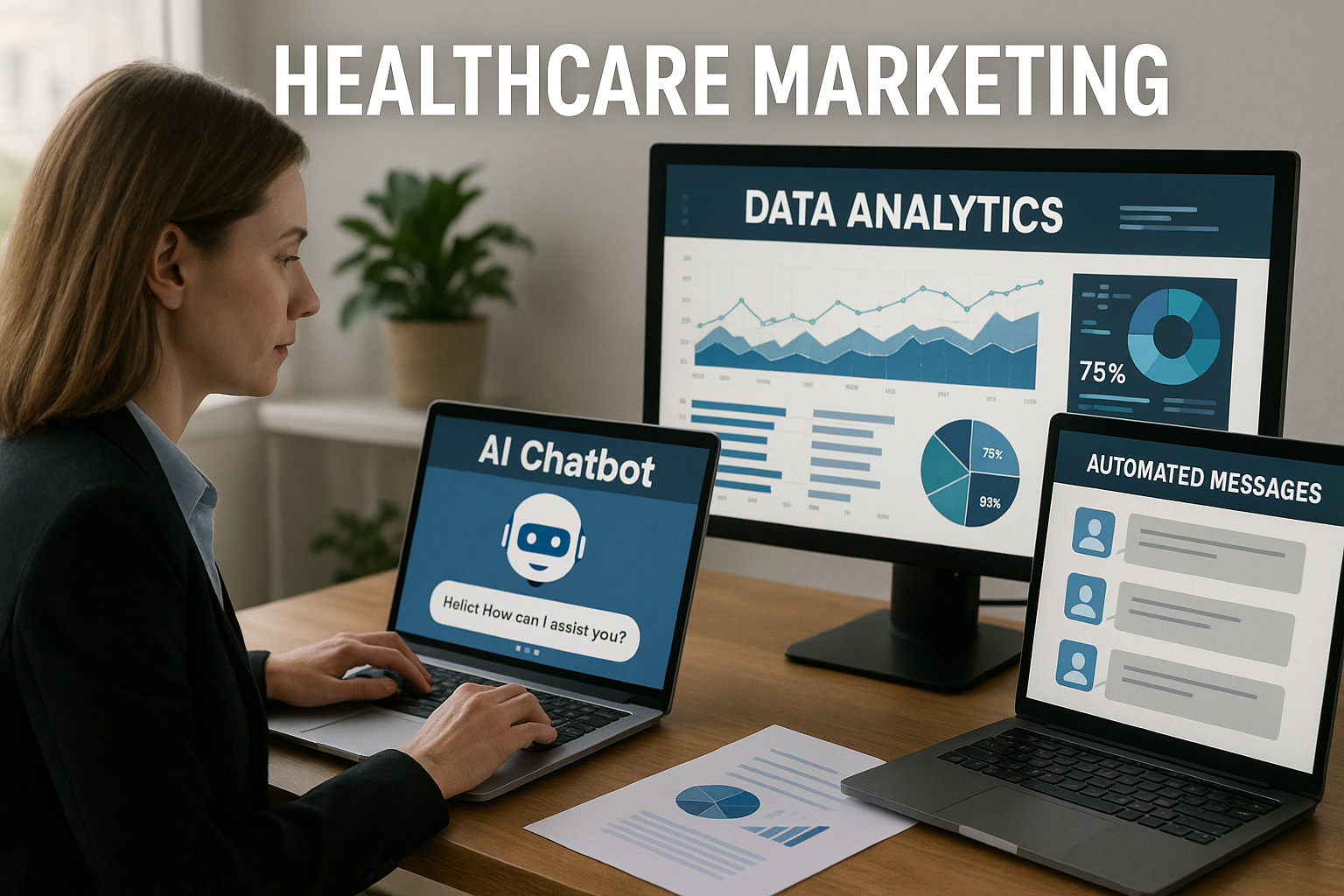
The intersection of artificial intelligence and health communication represents one of the most transformative developments in public health practice. What once required armies of communication specialists, months of manual analysis, and significant financial resources can now be accomplished with unprecedented speed, precision, and scale through AI-powered tools and automated systems. From chatbots delivering personalized health guidance to machine learning algorithms optimizing message delivery, AI is fundamentally reshaping how health organizations connect with the communities they serve.
Yet this technological revolution brings both extraordinary opportunities and significant challenges. While AI promises to democratize access to sophisticated communication capabilities, make health information more accessible, and enable truly personalized health messaging at population scale, it also raises critical questions about algorithmic bias, privacy protection, the digital divide, and the appropriate balance between human judgment and machine intelligence in matters affecting human health.
This comprehensive exploration examines how AI and automation are currently enhancing health communication strategies, what the evidence shows about their effectiveness, how organizations can responsibly implement these technologies, and what the future holds as AI capabilities continue to advance. Whether you’re a healthcare professional exploring how AI might enhance patient education, a public health practitioner considering automated outreach systems, or a digital health communicator seeking to understand emerging tools, this guide provides practical insights for navigating the AI-enhanced future of health communication.
Understanding AI in Health Communication: A Primer
Before exploring applications, it’s essential to understand what AI actually means in this context:
Artificial Intelligence Defined: AI encompasses computational systems that can perform tasks typically requiring human intelligence—learning from experience, recognizing patterns, making decisions, and generating language. In health communication, AI primarily manifests through machine learning (algorithms that improve through exposure to data), natural language processing (understanding and generating human language), and computer vision (analyzing images and video).
Key AI Technologies in Health Communication:
Natural Language Processing (NLP): Enables machines to understand, interpret, and generate human language. Applications include analyzing patient feedback, generating personalized health content, powering chatbots, and extracting insights from unstructured text data.
Machine Learning (ML): Algorithms that identify patterns in data and make predictions or decisions without explicit programming. In health communication, ML optimizes message timing, personalizes content recommendations, predicts which audiences will respond to specific messages, and segments populations for targeted interventions.
Computer Vision: AI analyzing visual content—images, videos, and graphics. Applications include assessing whether health education materials are visually accessible, analyzing user engagement with visual content, and generating image-based content.
Large Language Models (LLMs): Advanced AI systems like GPT-4, Claude, and similar technologies that can generate human-quality text, answer questions, translate languages, and assist with content creation. These models, trained on vast text datasets, are revolutionizing content development in health communication.
Automation Distinguished from AI: While related, automation and AI differ. Automation executes predefined tasks without human intervention (scheduled social media posts, triggered email sequences). AI involves systems that learn and adapt. Many health communication applications combine both—automated workflows enhanced by AI intelligence that personalizes or optimizes execution.
Current Capabilities and Limitations: Today’s AI excels at pattern recognition, content generation, optimization, and scaling personalization. However, AI struggles with genuine understanding of context, nuance, and complex ethical reasoning. AI can generate health content but can’t fully assess appropriateness for sensitive situations. It can personalize messages but may miss cultural subtleties. Understanding both capabilities and limitations is essential for responsible implementation.
Transforming Content Creation and Optimization
AI is revolutionizing how health communication content is created, tested, and refined:
Automated Content Generation: Large language models can now generate draft health education materials, social media posts, email sequences, and even long-form articles. Organizations like the CDC and NHS are exploring AI-assisted content creation to scale health education materials across multiple languages and literacy levels.
Rather than replacing human writers, AI serves as collaborative partner—generating initial drafts that human experts review, fact-check, and refine. A diabetes educator might prompt an AI system to create patient-friendly explanations of insulin management, then edit for accuracy and tone. This approach dramatically reduces content creation time while maintaining quality through human oversight.
Readability and Accessibility Optimization: AI tools analyze content for reading level, clarity, and accessibility. Platforms like Readable and Hemingway Editor use algorithms to identify complex sentences, passive voice, and jargon, suggesting simplifications. More sophisticated AI systems can automatically rewrite content for different literacy levels—taking medical documentation and generating patient-friendly versions.
For example, an AI system might transform: “Patients experiencing persistent hyperglycemia should consult their endocrinologist regarding insulin titration” into “If your blood sugar stays high, talk to your diabetes doctor about adjusting your insulin dose.” This capability is particularly valuable for organizations serving diverse populations with varying health literacy levels.
Multilingual Translation and Localization: While human translation remains superior for nuanced content, AI translation has improved dramatically. Services like DeepL and Google’s Neural Machine Translation provide increasingly accurate translations that, when combined with human review, enable rapid multilingual content deployment.
Beyond literal translation, AI can assist with cultural localization—adapting content for cultural context, not just language. An AI system trained on culturally-specific health communication can suggest modifications making content more culturally resonant, though human cultural expertise remains essential for validation.
A/B Testing at Scale: AI enables systematic testing of countless content variations to identify what resonates best. Rather than manually creating and comparing a few variations, AI can generate dozens of headline options, call-to-action phrasings, or image selections, then algorithmically test them to identify top performers.
Persado and similar platforms use AI to generate message variations optimized for emotional resonance, testing combinations of language, imagery, and framing to identify the most effective communication approaches for specific audiences. Healthcare organizations using these platforms report significant improvements in engagement rates and conversion to desired actions.
Dynamic Content Personalization: AI enables creating content that dynamically adapts to individual user characteristics. Rather than creating separate versions for different audiences, AI generates personalized variations in real-time based on user demographics, browsing behavior, health conditions, and engagement patterns.
A smoking cessation website powered by AI might automatically adjust messaging based on visitor characteristics—emphasizing financial benefits for cost-conscious users, health benefits for those with health concerns, or aesthetic benefits for image-conscious younger users. This level of personalization at scale was previously impossible without AI.
Content Performance Prediction: Before launching campaigns, AI can predict likely performance based on historical data. By analyzing patterns in past content performance, AI algorithms identify characteristics associated with high engagement—optimal length, tone, imagery types, emotional appeals, and structural elements.
This predictive capability helps prioritize content investments, focusing resources on approaches most likely to succeed while avoiding patterns associated with poor performance.
Chatbots and Conversational AI for Health Information
Conversational AI represents one of the most visible applications in health communication:
24/7 Health Information Access: AI-powered chatbots provide round-the-clock health information access without requiring human staff. Platforms like Ada Health, Babylon Health, and Buoy Health use conversational AI to help users understand symptoms, identify potential conditions, and determine appropriate care levels.
These systems conduct structured interviews—asking about symptoms, medical history, and risk factors—then provide personalized guidance on whether symptoms warrant emergency care, urgent clinic visits, routine appointments, or self-care. While explicitly not providing medical diagnosis, they help users make informed decisions about care-seeking.
Appointment Scheduling and Navigation: Chatbots handle routine administrative tasks—scheduling appointments, sending reminders, answering frequently asked questions about clinic hours or insurance acceptance, and helping patients navigate complex healthcare systems. Olive AI and similar platforms integrate with healthcare systems to automate these interactions, freeing staff for more complex patient needs.
Medication Adherence Support: AI chatbots can send personalized medication reminders, answer questions about side effects, provide encouragement, and identify barriers to adherence. Unlike static reminder systems, conversational AI adapts to user responses—if someone consistently misses evening medications, the chatbot might suggest morning alternatives or explore underlying barriers.
Mental Health Support: Crisis text lines and mental health chatbots like Woebot provide immediate support for mental health concerns. Using cognitive behavioral therapy principles, these chatbots engage users in structured conversations, provide coping strategies, and refer to human support when appropriate. Research published in JMIR Mental Health shows that well-designed mental health chatbots can reduce anxiety and depression symptoms, though they complement rather than replace human therapy.
Post-Discharge Follow-up: Hospitals use chatbots to automatically check in with recently discharged patients, asking about symptoms, medication adherence, and recovery progress. Responses trigger alerts for care team review when concerning patterns emerge, enabling early intervention preventing readmissions.
Sexual and Reproductive Health Counseling: For sensitive topics where stigma or embarrassment might prevent people from seeking information, anonymous chatbots lower barriers. Organizations like Planned Parenthood use chatbots to provide confidential sexual health information, contraception guidance, and STI information in non-judgmental, private environments.
Limitations and Human Handoff: Current conversational AI has important limitations. Chatbots struggle with ambiguous questions, complex medical situations, emotional nuance, and crisis situations requiring immediate human intervention. Well-designed systems recognize these limitations, seamlessly handing off to human operators when situations exceed AI capabilities. The handoff moment is critical—poor transitions frustrate users and potentially compromise care.
Audience Segmentation and Targeting Precision
AI dramatically enhances ability to identify and reach specific audiences:
Predictive Audience Modeling: Machine learning algorithms analyze vast datasets to identify individuals likely to benefit from specific health interventions. By examining patterns in electronic health records, claims data, demographic information, and behavioral indicators, AI predicts who is at highest risk for specific conditions or most likely to respond to particular messages.
For example, an algorithm might identify individuals with high diabetes risk based on weight, family history, lab values, and lifestyle factors, enabling targeted diabetes prevention messaging. This precision targeting maximizes intervention impact while conserving resources.
Behavioral Segmentation: Rather than simple demographic segmentation, AI identifies behavioral patterns distinguishing population segments. Analysis of digital engagement patterns, healthcare utilization, social media behavior, and other data reveals psychographic and behavioral clusters—groups with similar motivations, barriers, and preferences despite potentially different demographics.
A cardiovascular health campaign might identify segments like “health-motivated early adopters” (receptive to prevention messages, high engagement with health content), “crisis responders” (engage only when experiencing symptoms), and “skeptical avoiders” (resistant to health messaging). Each segment receives different communication approaches matched to their psychology.
Look-Alike Audience Generation: AI identifies characteristics of people who have successfully engaged with health interventions or taken desired actions, then finds similar individuals who haven’t yet been reached. Platforms like Facebook’s Lookalike Audiences use machine learning to find users resembling your best responders, enabling scaling of proven approaches to new audiences.
Geospatial Intelligence: AI combines geographic data with health, demographic, and behavioral information to identify optimal targeting. Rather than broad geographic targeting, AI might identify specific neighborhoods or even households where intervention is most needed and likely to succeed. This precision is particularly valuable for addressing health disparities by ensuring resources reach underserved communities.
Real-Time Audience Adaptation: As campaigns run, AI continuously refines audience targeting based on who actually responds. If early results show unexpected audience segments responding strongly, algorithms automatically shift budget toward those segments. This dynamic optimization prevents wasting resources on unresponsive audiences while maximizing impact on receptive ones.
Privacy-Preserving Segmentation: As privacy regulations tighten, AI enables sophisticated audience insights while protecting individual privacy. Techniques like federated learning analyze data across institutions without centralizing sensitive information, while differential privacy adds mathematical guarantees preventing individual re-identification even as population patterns are identified.
Optimizing Message Timing and Delivery
When messages reach people matters as much as what messages say:
Predictive Send-Time Optimization: Rather than sending messages at arbitrary times, AI analyzes individual engagement patterns to predict when each person is most likely to engage. Email platforms like Mailchimp and Campaign Monitor use AI to identify optimal send times for each subscriber based on their historical opening and clicking patterns.
For health reminders—medication adherence messages, appointment reminders, screening prompts—timing optimization significantly impacts effectiveness. A reminder arriving when someone is busy and distracted gets ignored, while one arriving during a quiet moment may prompt action.
Channel Selection Intelligence: People have channel preferences—some prefer text messages, others emails, still others mobile app notifications. AI learns individual preferences from engagement patterns, automatically routing messages through each person’s preferred channels. This channel intelligence improves response rates while respecting preferences.
Frequency Optimization: Too many messages cause annoyance and disengagement, while too few provide insufficient reinforcement. AI balances this tradeoff, identifying optimal frequency for each individual based on their response patterns. Someone who engages with frequent messages might receive daily tips, while someone showing signs of message fatigue receives weekly summaries.
Contextual Triggering: Rather than scheduled sends, AI can trigger messages based on contextual signals—behavior patterns, environmental conditions, or situational factors. A physical activity promotion app might send encouraging messages when weather is nice, suppress messages when users are already active, or provide motivational boosts during periods of declining activity.
Multi-Touch Campaign Orchestration: Complex health communication campaigns involve multiple messages across channels over time. AI orchestrates these multi-touch sequences, determining which message each person receives next based on their responses to previous messages. Someone who ignored an awareness message might receive a different approach, while someone who engaged might progress to more detailed educational content or action prompts.
Social Listening and Sentiment Analysis
Understanding public conversation about health topics guides effective communication:
Real-Time Social Media Monitoring: AI-powered social listening tools like Sprout Social, Brandwatch, and Talkwalker continuously monitor social media platforms for mentions of health topics, organizations, or campaigns. This real-time monitoring enables rapid response to emerging concerns, misinformation, or crises.
During the COVID-19 pandemic, public health organizations used social listening to track vaccine concerns, identify misinformation narratives, and understand emotional reactions to policies. This intelligence guided communication strategies, helping address specific concerns rather than generic messaging.
Sentiment Analysis: Beyond tracking conversation volume, AI assesses emotional tone—whether discussions are positive, negative, or neutral, and what specific emotions (fear, anger, hope, confusion) are expressed. Sentiment trends signal whether communication strategies are resonating or backfiring.
A campaign promoting a new screening guideline might monitor sentiment to detect confusion or concern, triggering additional clarifying communications. Rising negative sentiment serves as early warning that messaging isn’t landing as intended.
Misinformation Detection: AI systems can identify potential misinformation by analyzing claim characteristics, source credibility, and spread patterns. While not perfect, these systems help prioritize which false claims warrant response based on virality and potential harm. Organizations like First Draft use AI-assisted approaches to combat health misinformation.
Trend Identification: Machine learning identifies emerging health topics gaining attention before they reach mainstream awareness. This early trend detection enables proactive communication positioning organizations as timely, relevant information sources rather than reactive followers.
Influencer and Network Analysis: AI maps social networks to identify influential voices shaping health conversations. Rather than focusing only on accounts with large followings, sophisticated analysis identifies accounts whose content frequently gets shared or shapes others’ opinions—true influencers regardless of follower count. This intelligence informs influencer partnership strategies.
Community Health Surveillance: Social media monitoring can provide early warning of disease outbreaks or adverse drug reactions. AI analysis of symptom mentions, over-the-counter medication discussions, and school absence reports has detected flu outbreaks days before traditional surveillance systems. While not replacing clinical surveillance, social data provides complementary intelligence.
Predictive Analytics for Intervention Optimization
AI’s predictive capabilities enable more strategic resource allocation:
Risk Stratification: Machine learning models analyze multiple risk factors simultaneously to identify individuals at highest risk for adverse health outcomes. These models can predict hospitalization risk, disease progression likelihood, medication non-adherence risk, or screening non-completion probability with greater accuracy than simple risk scores.
Predictive models enable targeting intensive interventions to highest-risk individuals while providing lighter-touch support to lower-risk populations, optimizing resource allocation. The University of Pennsylvania’s Penn Signals system exemplifies predictive approaches in clinical settings.
Intervention Response Prediction: Beyond predicting health risks, AI can predict who is most likely to respond to specific interventions. Someone at high risk but unlikely to respond to phone outreach might instead receive text messages or peer support connections. This intervention matching improves effectiveness by aligning approaches with individual preferences and response patterns.
Churn Prediction: For ongoing programs requiring sustained engagement—chronic disease management, weight loss programs, smoking cessation—AI predicts who is likely to disengage, triggering retention interventions before dropout occurs. Early intervention addressing barriers prevents program abandonment.
Campaign Performance Forecasting: Before investing significantly in campaigns, AI can forecast likely outcomes based on historical patterns. Forecasts consider factors like target audience characteristics, message types, channel mix, competitive environment, and seasonal patterns. While not perfectly accurate, forecasts enable more informed go/no-go decisions and resource allocation.
Resource Need Projection: Predictive models forecast healthcare service demand—screening program uptake, hotline call volumes, clinic visits—enabling appropriate resource provisioning. Understaffing during demand surges creates poor user experiences, while overstaffing wastes resources. AI-generated forecasts improve this balance.
Outbreak Prediction and Response: Machine learning models analyzing multiple data streams—search queries, social media, weather patterns, mobility data, historical trends—can predict disease outbreak timing and magnitude. These predictions, while uncertain, enable more timely communication and resource positioning. During flu season, predictions guide intensity of prevention messaging and healthcare system preparation.
Personalization at Population Scale
Perhaps AI’s most transformative contribution is enabling genuine personalization for millions:
Dynamic Content Assembly: Rather than creating separate content versions for different audiences, AI assembles personalized content from modular components. Core health information remains consistent, but surrounding context, examples, imagery, tone, and framing adapt to individual characteristics.
A diabetes management platform might present the same medical guidance but vary examples (sports-focused for athletes, career-focused for professionals), adjust language complexity based on health literacy, and modify imagery to reflect user demographics—all automatically generated by AI based on user profiles.
Adaptive Learning Pathways: Health education platforms use AI to create personalized learning sequences. Based on assessment of existing knowledge, learning preferences, and progress through material, AI adapts the curriculum—providing additional support where users struggle, accelerating through material they master quickly, and maintaining engagement through appropriately-challenging content.
Osmosis and similar medical education platforms use adaptive learning approaches, principles of which apply to patient education and health literacy initiatives.
Personalized Health Recommendations: AI analyzes individual health data—medical history, genetic information, lifestyle behaviors, environmental exposures—generating personalized health recommendations. Rather than generic “exercise more” advice, individuals receive specific recommendations matched to their capabilities, preferences, and health status: “Based on your arthritis, try water aerobics at your local pool on Tuesday and Thursday mornings.”
Behavioral Nudging: AI identifies optimal moments and approaches for behavioral nudges. Drawing on behavioral economics principles, AI-powered systems send personalized prompts designed to overcome specific barriers or leverage motivational triggers for each individual. Someone prone to procrastination might receive implementation intention prompts (“When will you schedule your screening?”), while someone motivated by social comparison might receive peer benchmark information.
Conversational Personalization: Chatbots and virtual health assistants adapt their communication style to individual preferences—formal versus casual, detailed versus brief, empathetic versus direct. This stylistic adaptation makes interactions feel more natural and engaging, improving user satisfaction and sustained engagement.
Real-Time Personalization: The most sophisticated systems personalize dynamically during interactions. A website visitor interested in smoking cessation who lingered on cost-savings content might immediately see more financial framing, while someone focused on family impact might see family-centered messaging—all personalized in real-time without predefined audience segments.
Automated Campaign Management and Optimization
AI automates routine campaign management tasks while optimizing performance:
Programmatic Advertising: AI manages digital ad buying through real-time bidding, automatically purchasing ad impressions most likely to reach target audiences at optimal prices. Platforms analyze thousands of data points per ad impression decision, identifying opportunities human buyers would miss while executing thousands of decisions per second.
Google Ads and Facebook Ads use machine learning for audience targeting, bid optimization, and ad placement, significantly improving campaign efficiency compared to manual management.
Creative Optimization: AI continuously tests creative variations—headlines, images, calls-to-action, ad formats—identifying top performers and automatically shifting budget toward winning combinations. Unlike traditional A/B testing with predefined variants, AI explores vast creative spaces, discovering unexpected effective combinations.
Budget Allocation: Rather than manually distributing budgets across campaigns, audiences, and channels, AI dynamically allocates budget to maximize outcomes. As real-time performance data accumulates, algorithms shift spending toward higher-performing tactics while reducing or eliminating budget for underperformers. This continuous reallocation significantly improves return on investment compared to static budget allocations.
Anomaly Detection: AI monitors campaigns for unusual patterns potentially indicating problems—sudden performance drops, unusual geographic patterns, suspicious click patterns suggesting fraud, or technical issues. Automated alerts enable rapid problem identification and correction, minimizing wasted spend.
Competitive Intelligence: AI monitors competitor campaigns, analyzing their messaging, targeting, creative approaches, and estimated spending. This intelligence informs strategic decisions about positioning, differentiation, and opportunity identification. While not perfectly accurate, AI-assisted competitive analysis provides insights impossible to obtain through manual monitoring.
Cross-Channel Attribution: Understanding how different marketing touchpoints contribute to outcomes is complex when users interact across multiple channels before taking action. AI-powered attribution models analyze cross-channel journeys, providing more accurate understanding of each channel’s contribution than simplistic last-click attribution. This understanding guides budget allocation and strategy.
Accessibility and Inclusive Design
AI enhances health communication accessibility for diverse populations:
Automatic Captioning and Transcription: AI services like Otter.ai and Rev.com automatically generate captions for video content and transcripts for audio, making content accessible to deaf and hard-of-hearing audiences while improving SEO. While human review improves accuracy, automated captioning dramatically reduces cost and time barriers to accessibility.
Text-to-Speech and Speech-to-Text: AI converts between text and natural-sounding speech, enabling audio versions of written content for vision-impaired users or those with reading difficulties. Conversely, speech recognition enables voice-based interaction with health information systems, supporting users with mobility challenges or low literacy who struggle with typing.
Visual Content Description: Computer vision AI can automatically generate alternative text descriptions for images, making visual content accessible to screen reader users. While human-written descriptions remain superior for complex images, AI-generated alt text is better than no alt text—the current reality for much online health content.
Reading Level Adaptation: AI automatically adjusts content reading level in real-time based on user preferences or assessed literacy. Users can request simpler or more detailed explanations, with AI generating appropriate versions on demand. This capability ensures health information is accessible regardless of literacy level.
Sign Language Translation: Emerging AI systems translate between spoken/written language and sign languages, though current accuracy remains limited. As these systems improve, they’ll enhance accessibility for deaf communities whose primary language is sign language rather than written language.
Cognitive Accessibility: AI can simplify complex navigation, provide step-by-step guidance for complicated tasks, and adapt interfaces for users with cognitive disabilities or older adults unfamiliar with digital systems. These adaptations make health information systems more universally accessible.
Ethical Considerations and Responsible AI Implementation
AI’s power brings significant ethical responsibilities:
Algorithmic Bias and Health Equity: AI systems learn from historical data reflecting existing healthcare disparities and societal biases. Without careful attention, AI can perpetuate or even amplify health inequities. A widely-cited study in Science revealed that a commercial algorithm used by millions of patients demonstrated racial bias, systematically under-predicting Black patients’ health needs.
Addressing algorithmic bias requires diverse development teams, careful training data curation, fairness metrics alongside accuracy metrics, regular bias audits, and ongoing monitoring for disparate impacts. Health equity must be explicit design priority, not afterthought.
Privacy and Data Protection: AI’s effectiveness often correlates with data quantity and granularity, creating tension with privacy protection. The more detailed health information systems access, the better AI can personalize—but also the greater privacy risks. Organizations must implement robust protections: data minimization, anonymization, encryption, access controls, and compliance with regulations like HIPAA, GDPR, and CCPA.
Emerging privacy-preserving AI techniques—federated learning, differential privacy, homomorphic encryption—enable sophisticated analysis while protecting individual privacy. These approaches should become standard practice in health communication applications.
Transparency and Explainability: “Black box” AI systems that make decisions without explaining reasoning create accountability and trust problems. If AI recommends specific health actions or prioritizes certain individuals for interventions, stakeholders deserve to understand why. Explainable AI techniques make algorithm reasoning more transparent, though often at some cost to predictive accuracy.
Organizations should clearly disclose when AI is making decisions affecting individuals, explain how decisions are made in understandable terms, and provide human appeal processes when AI decisions seem inappropriate.
Informed Consent and Autonomy: People interacting with health communication systems deserve to know when they’re engaging with AI rather than humans. Chatbots should identify themselves as automated systems, AI-generated content should be disclosed, and people should retain ability to request human assistance. Deceptive presentation of AI as human undermines trust and autonomy.
Human Oversight and Final Decision Authority: AI should augment human judgment, not replace it entirely, particularly for consequential health decisions. Critical determinations—treatment recommendations, crisis interventions, complex ethical decisions—require human expertise and oversight. Clear protocols should define when human review is mandatory and how AI recommendations integrate with human judgment.
Data Quality and Accuracy: AI systems are only as good as their training data. Poor quality, outdated, or unrepresentative data produces unreliable AI. Health communication organizations must ensure data quality, regularly update training data, and validate AI outputs against current evidence and clinical guidelines.
Accessibility and Digital Divide: While AI can enhance accessibility, it also risks widening digital divides. Populations lacking internet access, digital literacy, or compatible devices can’t benefit from AI-powered health communication. Organizations must maintain non-digital pathways ensuring universal access while deploying AI to enhance but not replace traditional approaches.
Commercial Conflicts and Independence: Many AI tools come from commercial vendors with business interests potentially conflicting with public health goals. Careful vendor evaluation, transparency about relationships, and ensuring AI recommendations align with evidence-based guidelines rather than commercial interests protects public trust.
Practical Implementation Framework
Organizations ready to implement AI should follow systematic approaches:
Phase 1: Assessment and Strategy (Months 1-2)
Needs Assessment: Identify specific health communication challenges AI might address. Where are bottlenecks? What tasks consume disproportionate staff time? Where does current personalization fall short? What populations are underserved by current approaches?
Capability Evaluation: Assess organizational readiness—data availability and quality, technical infrastructure, staff AI literacy, budget for investment, and leadership support. Gaps in any area require attention before implementation.
Use Case Prioritization: Rather than attempting everything simultaneously, prioritize 2-3 high-impact use cases for initial implementation. Consider potential impact, implementation feasibility, available resources, and strategic alignment.
Vendor Research: Research available solutions—build versus buy decisions, vendor reputation and track record in healthcare, costs and scalability, regulatory compliance, data privacy practices, and integration capabilities with existing systems.
Phase 2: Pilot Implementation (Months 3-5)
Small-Scale Testing: Begin with limited pilots testing AI in controlled contexts before full deployment. A chatbot might initially handle one common question type, or content generation might start with one content category. Pilots reveal problems at manageable scale.
Data Preparation: Clean, organize, and prepare data AI systems will use. Poor data quality guarantees poor AI performance. This often-unglamorous work is critical foundation.
Staff Training: Train staff on working with AI—how to use tools, interpret outputs, provide feedback, and maintain human oversight. Address concerns about AI replacing jobs, emphasizing how AI augments rather than replaces human expertise.
Monitoring Framework: Establish metrics and monitoring systems tracking AI performance, user satisfaction, health outcomes, and equity impacts. What gets measured gets managed.
Phase 3: Evaluation and Refinement (Months 6-8)
Performance Assessment: Rigorously evaluate pilot results—Did AI achieve intended goals? What worked well? Where did problems emerge? How do costs compare to benefits? What equity impacts occurred?
User Feedback: Gather qualitative feedback from users and staff. Quantitative metrics reveal what happened; qualitative insights explain why and guide improvements.
Bias Auditing: Systematically assess whether AI systems perform equitably across populations. Analyze performance differences across demographic groups, geographic areas, and socioeconomic strata.
Iterative Improvement: Use evaluation findings to refine AI systems—adjusting algorithms, improving training data, modifying user interfaces, or changing implementation approaches. AI systems improve through continuous iteration.
Phase 4: Scaling and Integration (Months 9-12+)
Gradual Expansion: Scale successful pilots gradually, monitoring for problems emerging at larger scales. Systems working with hundreds of users sometimes reveal issues when reaching thousands.
System Integration: Integrate AI tools with existing systems—EHRs, CRM platforms, communication channels—for seamless workflows. Disconnected systems create friction reducing adoption and effectiveness.
Policy and Governance: Formalize policies governing AI use—when AI is appropriate, required human oversight levels, fairness and privacy standards, update and maintenance procedures, and accountability structures.
Continuous Improvement Culture: Build organizational culture viewing AI implementation as ongoing journey rather than one-time project. Regular monitoring, testing, and refinement should become standard practice.
Measuring AI Impact on Health Communication
Determining whether AI investments deliver value requires systematic measurement:
Process Metrics:
Staff time saved through automation
Content production volume increases
Campaign setup and deployment speed
Cost per piece of content or campaign
Performance Metrics:
Engagement rate improvements (opens, clicks, time on site)
Conversion rate increases (appointments scheduled, screenings completed)
Personalization depth and accuracy
Campaign return on investment
Health Outcome Metrics:
Behavior change rates among reached populations
Health knowledge and literacy improvements
Healthcare utilization patterns (appropriate increases in preventive care, decreases in preventable hospitalizations)
Population health indicator changes
Equity Metrics:
Performance consistency across demographic groups
Disparity reduction in outcomes
Accessibility for diverse populations
Resource allocation fairness
User Experience Metrics:
User satisfaction scores
Trust and confidence in AI systems
Perceived usefulness and ease of use
Preference for AI-enhanced versus traditional approaches
Comprehensive evaluation requires combining these metric categories, assessing not just whether AI works but whether it works equitably, cost-effectively, and sustainably.
Case Studies: AI in Action
Real-world examples illustrate AI applications:
Cleveland Clinic’s Chatbot for Pre-Visit Preparation: Cleveland Clinic implemented an AI chatbot helping patients prepare for upcoming appointments. The bot asks about symptoms, medications, and concerns, synthesizing information into structured summaries for clinical teams. This automation saves clinical staff time while improving visit efficiency. Patients report high satisfaction, and clinicians note better-prepared visits.
Singapore’s HealthHub AI Health Assessment: Singapore’s national health platform uses AI-powered health risk assessments analyzing user-provided information against population health data. The system generates personalized risk profiles and recommendations, motivating preventive behaviors. Integration with the national healthcare system enables seamless referrals when assessments identify concerning risks.
Babylon Health’s AI Triage System: Babylon’s AI system conducts symptom assessments, providing triage recommendations about care urgency. While controversial regarding accuracy and safety concerns, the system demonstrates AI’s potential for providing immediate health guidance at scale. Evaluation studies show mixed results, highlighting importance of rigorous validation before broad deployment.
Woebot’s Mental Health Chatbot: Woebot uses conversational AI delivering cognitive behavioral therapy techniques through chat-based interactions. Research published in JMIR Mental Health shows significant anxiety and depression symptom reductions among users. The system demonstrates AI’s potential for scaling evidence-based mental health interventions, particularly for people unable to access traditional therapy.
Ada Health’s Symptom Assessment: Ada Health’s AI-powered symptom checker has conducted over 30 million assessments globally. The system uses machine learning trained on medical literature and clinical expertise to provide personalized health information. While not replacing medical consultation, Ada helps users understand symptoms and make informed care-seeking decisions.
UCL’s Social Media Monitoring for Vaccine Hesitancy: University College London researchers used AI-powered social listening to track vaccine hesitancy during COVID-19 pandemic. Real-time sentiment analysis identified emerging concerns, misinformation narratives, and communities at risk of low uptake. This intelligence guided public health communication strategies, enabling targeted responses addressing specific concerns.
The Future of AI in Health Communication
Emerging trends that will shape the next decade:
Multimodal AI Systems: Future AI will seamlessly integrate text, voice, images, and video, creating more natural, engaging interactions. Users might ask health questions verbally while showing relevant images, receiving personalized responses in their preferred format—video demonstrations, illustrated guides, or verbal explanations.
Predictive Health Guidance: Rather than reactive responses to health questions, AI will proactively predict health needs based on patterns and contextual signals, providing anticipatory guidance before problems emerge. Wearable data, environmental conditions, seasonal patterns, and individual history will enable precise, timely health recommendations.
Emotional Intelligence: AI systems with improved emotional recognition and response capabilities will provide more empathetic, contextually appropriate health communication. Current systems struggle with emotional nuance; future systems will better recognize distress, adjust tone accordingly, and provide emotional support alongside information.
Augmented Reality Health Education: AI-powered AR applications will provide immersive health education experiences. Users might visualize how medications work in their bodies, see anatomically-accurate representations of health conditions, or practice health behaviors in virtual environments with AI coaching.
Hyper-Personalized Interventions: As AI integrates genetic data, microbiome information, real-time biometric monitoring, and comprehensive behavioral profiles, health communication will become genuinely personalized at molecular and behavioral levels. Recommendations will account for individual biology, psychology, and social context with unprecedented precision.
Autonomous AI Health Agents: Advanced AI agents will manage complex, multi-step health journeys autonomously—coordinating appointments, managing medication refills, monitoring progress, adjusting plans based on outcomes, and engaging appropriate human support when needed. These agents will serve as persistent health companions supporting sustained behavior change.
Universal Language Translation: Real-time, high-accuracy translation across languages and dialects will make health information universally accessible regardless of language barriers. AI will translate not just words but cultural concepts, ensuring genuine communication across linguistic boundaries.
Synthetic Data for Privacy Protection: AI-generated synthetic health data that maintains statistical properties of real data while protecting individual privacy will enable sophisticated analysis and algorithm development without compromising confidentiality. This technology will reduce tension between data utility and privacy protection.
AI-Human Collaborative Intelligence: Rather than AI replacing humans or humans using AI as tools, future systems will involve genuine collaboration where AI and humans work together, each contributing complementary strengths. AI’s pattern recognition and scale combines with human judgment, creativity, and ethical reasoning for superior outcomes.
Regulatory Frameworks and Standards: As AI becomes ubiquitous in health communication, regulatory frameworks will mature. Standards for algorithm validation, fairness requirements, transparency obligations, and accountability mechanisms will provide clearer guidance for responsible AI deployment. The FDA’s framework for AI/ML-based medical devices provides a model that may extend to health communication applications.
Building Organizational AI Competency
Long-term AI success requires building internal capabilities:
Developing AI Literacy: Everyone in health communication roles needs basic AI literacy—understanding what AI can and can’t do, recognizing bias and limitations, knowing when to trust AI versus question it, and collaborating effectively with AI systems. Training programs, workshops, and hands-on experimentation build this literacy.
Recruiting Data Science Talent: Organizations need team members with data science and machine learning expertise. While full data science teams may be unrealistic for smaller organizations, even one data-savvy staff member can significantly enhance AI implementation and evaluation capabilities. Partnerships with universities or consulting arrangements can supplement internal capacity.
Creating Data Infrastructure: AI depends on quality data. Organizations must invest in data collection systems, data warehouses or lakes storing integrated data, data governance establishing quality and privacy standards, and APIs enabling data flow between systems. These infrastructure investments enable not just current AI applications but future innovation.
Establishing AI Ethics Committees: Dedicated committees should review AI implementations for ethical issues, bias concerns, privacy implications, and alignment with organizational values. These committees, including diverse perspectives from clinical, technical, community, and ethical domains, provide oversight preventing ethical problems.
Fostering Innovation Culture: Organizations that will thrive in AI-enhanced future are those encouraging experimentation, tolerating intelligent failures, sharing learnings across teams, and continuously exploring emerging technologies. Culture change often matters more than technical capability.
Building Vendor Partnerships: Rather than building everything internally, strategic vendor partnerships provide access to cutting-edge capabilities. However, organizations must maintain sufficient internal expertise to effectively evaluate, integrate, and oversee vendor solutions. Blind reliance on vendors risks poor implementations and loss of strategic control.
Documenting and Sharing Learnings: Systematic documentation of what works, what doesn’t, and why builds organizational intelligence. Regular knowledge-sharing sessions, internal wikis or repositories, case studies of implementations, and post-project reviews prevent knowledge loss and enable cumulative learning.
Overcoming Common Implementation Challenges
Organizations commonly encounter predictable obstacles:
“We don’t have enough data”: While more data generally helps AI, starting with limited data is possible. Begin with simpler AI applications requiring less data, use transfer learning applying models trained elsewhere to your context, or consider synthetic data augmentation. As you implement basic systems, data accumulates enabling more sophisticated applications later.
“Our staff resist AI adoption”: Resistance often stems from fear—of job loss, of inadequacy with new technologies, or of losing control to machines. Address these fears through transparent communication about how AI augments rather than replaces humans, involving staff in implementation planning, providing comprehensive training, and demonstrating early wins that make work easier rather than threatening jobs.
“AI is too expensive”: While custom AI development is expensive, increasingly affordable off-the-shelf solutions serve many needs. Cloud-based AI services offer pay-as-you-go pricing accessible to organizations of all sizes. Start with free or low-cost tools demonstrating value before major investments. Many vendors offer nonprofit or government discounts.
“We lack technical expertise“: Partnerships with universities, consultants, or technology companies can supplement internal expertise. Many AI platforms now offer no-code or low-code interfaces requiring minimal technical knowledge. As staff gain experience with simple applications, technical confidence and capacity grow organically.
“AI seems biased or inaccurate”: These concerns are valid—many AI systems do exhibit bias or make errors. Address through careful vendor selection prioritizing fairness, rigorous testing before deployment, ongoing monitoring for bias, maintaining human oversight of consequential decisions, and willingness to modify or discontinue AI systems that don’t meet ethical standards.
“Integration with existing systems is difficult”: Legacy systems often weren’t designed for AI integration. Consider APIs and middleware enabling communication between systems, phased replacement of outdated systems, or cloud-based solutions with better integration capabilities. Integration challenges are real but surmountable with appropriate planning and resources.
“Privacy regulations constrain what we can do”: Privacy regulations do impose constraints, but they exist for good reasons—protecting individuals from harm. Work within regulations through privacy-preserving AI techniques, obtaining appropriate consents, working with privacy experts and legal counsel, and recognizing that privacy protection builds trust essential for long-term success.
“Results don’t justify investment”: If AI implementations aren’t delivering value, honest assessment is needed. Sometimes unrealistic expectations set up disappointment—AI isn’t magic and won’t solve all problems. Other times, poor implementation, inappropriate use cases, or inadequate data explain disappointing results. Learn from failures, adjust approaches, and be willing to discontinue AI applications that don’t work while scaling those that do.
Balancing AI and Human Touch
Even as AI capabilities grow, human elements remain irreplaceable:
Empathy and Emotional Support: While AI can simulate empathy, genuine human compassion matters, particularly in difficult health situations. People facing frightening diagnoses, difficult treatment decisions, or health crises need authentic human connection. AI should handle routine information needs, freeing humans for emotionally intensive interactions requiring genuine empathy.
Complex Situation Navigation: Health situations involving multiple interacting factors, competing priorities, or difficult tradeoffs exceed current AI capabilities. Humans excel at holistic consideration of complex, messy reality where right answers aren’t clear-cut. AI provides decision support, but humans should retain ultimate authority for complex decisions.
Cultural Competency and Nuance: While AI can be trained on cultural patterns, humans with lived cultural experience bring irreplaceable nuance, particularly for sensitive topics or marginalized communities. AI-generated content should be reviewed by cultural insiders ensuring appropriateness and avoiding inadvertent offense.
Creativity and Innovation: AI generates variations on patterns learned from training data but struggles with genuinely novel approaches. Human creativity drives innovation in health communication—new message framing, unexpected storytelling approaches, or creative problem-solving for communication challenges. AI augments human creativity but doesn’t replace it.
Ethical Judgment: While AI can be programmed with ethical rules, genuine ethical reasoning—considering context, weighing competing values, recognizing edge cases requiring exceptions—remains fundamentally human. Humans must maintain ethical oversight of AI systems, particularly when decisions affect vulnerable populations.
Trust and Relationship Building: Healthcare ultimately depends on trust. While AI can deliver accurate information efficiently, building the trust relationships that motivate behavior change, encourage honest disclosure, and sustain engagement over time remains distinctly human. AI-human collaboration that leverages each’s strengths produces optimal outcomes.
The goal isn’t choosing between AI and humans but thoughtfully integrating both, with clear delineation of what AI handles, what requires human judgment, and how they work together seamlessly.
Regulatory Landscape and Compliance
AI in healthcare faces evolving regulatory oversight:
FDA Oversight of Medical AI: The FDA regulates AI/ML-based medical devices through risk-based frameworks. While most health communication applications fall outside direct FDA jurisdiction, those making clinical recommendations or influencing medical decisions may require review. Understanding regulatory boundaries prevents inadvertent violations.
HIPAA and Privacy Regulations: AI systems accessing, analyzing, or storing protected health information must comply with HIPAA. This includes technical safeguards, administrative procedures, and business associate agreements with AI vendors. Non-compliance risks significant penalties beyond reputational damage.
FTC Truth in Advertising: AI-generated health content must be accurate and non-misleading per FTC standards. Organizations remain responsible for AI-generated content accuracy even when creation is automated. Review processes ensuring accuracy are essential.
Algorithmic Accountability Legislation: Emerging regulations at state and federal levels address algorithmic bias, transparency, and accountability. New York City’s algorithmic accountability law, requiring bias audits of automated decision systems, may preview broader requirements. Proactive bias monitoring and transparency prepare organizations for expanding regulations.
International Data Regulations: Organizations serving international audiences must comply with regulations like GDPR (European Union), LGPD (Brazil), and others. These often impose stricter requirements than US law, particularly regarding consent, data minimization, and individual rights. Global operations require understanding and compliance with multiple regulatory frameworks.
Professional Standards and Ethics Codes: Professional organizations are developing AI ethics standards for healthcare. The American Medical Informatics Association and similar bodies provide guidance on responsible AI use. Adherence to professional standards demonstrates commitment to ethical practice beyond legal minimums.
Getting Started: Practical First Steps
For organizations beginning AI journeys, actionable first steps:
1. Start with Low-Risk Applications: Begin where AI failure wouldn’t cause serious harm—content curation, social media scheduling, readability analysis, or survey analysis. Success with low-risk applications builds confidence and capability for higher-stakes applications.
2. Use Established Platforms: Rather than custom AI development, start with proven platforms—chatbot builders, email personalization tools, or social media management systems with built-in AI. These provide faster implementation and lower risk than building from scratch.
3. Maintain Human Oversight: Never fully automate without human review, particularly initially. Humans should review AI-generated content before publication, monitor AI chatbot conversations, and oversee AI recommendations. As confidence in specific applications grows, oversight can become more periodic.
4. Measure Everything: From the start, systematically measure AI performance—accuracy, user satisfaction, engagement metrics, and outcome impacts. Data-driven evaluation identifies what works and what doesn’t, guiding iterative improvement.
5. Engage Stakeholders: Involve staff, patients, and community members in AI implementation planning. Their insights identify potential problems and opportunities experts might miss. Stakeholder engagement also builds buy-in essential for successful adoption.
6. Invest in Training: Don’t just implement tools—ensure staff understand them. Comprehensive training covering how AI works, how to use specific tools, when to trust AI versus question it, and how to maintain oversight determines whether implementations succeed or fail.
7. Start Documentation Early: From day one, document implementation decisions, rationale, test results, and lessons learned. Good documentation prevents knowledge loss, enables auditing, and accelerates future implementations.
8. Plan for Iteration: AI implementation isn’t one-time project but ongoing process. Expect to refine, adjust, and improve systems based on experience. Flexible mindsets and agile approaches enable continuous improvement rather than rigid adherence to initial plans.
9. Build Partnerships: Connect with other organizations implementing similar AI applications. Learning communities, professional networks, and collaborative relationships accelerate learning and prevent duplicating others’ mistakes.
10. Stay Current: AI evolves rapidly. Regularly review emerging capabilities, attend conferences, follow thought leaders, and experiment with new tools. What’s impossible today may be routine tomorrow. Continuous learning maintains competitive advantage.
Conclusion: The AI-Augmented Future of Health Communication
Artificial intelligence is not coming to health communication—it’s already here, transforming how health organizations create content, reach audiences, personalize messages, and measure impact. The question facing healthcare professionals, public health practitioners, and health communicators isn’t whether to engage with AI but how to do so responsibly, effectively, and equitably.
The promise is extraordinary: health information accessible to anyone, anywhere, anytime, in their language and at their literacy level. Truly personalized health guidance accounting for individual biology, psychology, and social context. Efficient resource allocation ensuring interventions reach those who need them most. Continuous optimization learning from every interaction to improve effectiveness.
Yet the path forward requires navigating significant challenges: algorithmic bias threatening to perpetuate or amplify health inequities, privacy concerns as data requirements grow, the digital divide excluding those without technology access, and the eternal question of balancing efficiency with the human touch essential to compassionate care.
Success requires more than just implementing AI tools. It demands building organizational AI literacy, establishing ethical oversight, maintaining human judgment for consequential decisions, investing in data infrastructure, measuring impact rigorously, and committing to continuous learning and improvement.
The most effective health communication of the future won’t be purely human or purely AI—it will be thoughtful collaboration leveraging each’s unique strengths. AI’s pattern recognition, personalization at scale, and tireless availability combine with human empathy, ethical judgment, creativity, and cultural nuance. Together, they create health communication more effective than either could achieve alone.
For individual practitioners, staying relevant in AI-augmented future means developing dual fluency—maintaining human skills of empathy, creativity, and judgment while building AI literacy enabling effective collaboration with intelligent systems. Those who resist AI risk obsolescence; those who embrace it uncritically risk harm. The middle path of informed, critical engagement offers the most promise.
For organizations, strategic AI investment will increasingly separate leaders from laggards. But successful AI implementation requires more than technology—it requires culture change, capability building, ethical commitment, and willingness to learn from both successes and failures.
The transformation is just beginning. Current AI capabilities, impressive as they are, represent primitive versions of what’s coming. Five years from now, today’s cutting-edge systems will seem quaint. The only certainty is continued rapid advancement.
In this environment of constant change, two anchors remain constant: the fundamental goal of improving population health and the ethical imperative to ensure that technology serves all people equitably, protecting the vulnerable while empowering everyone to make informed health decisions.
The AI revolution in health communication offers unprecedented opportunities to achieve these goals—but only if we approach it thoughtfully, implement it responsibly, oversee it vigilantly, and remain committed to human values even as machine capabilities grow.
The future is neither dystopian nightmare of dehumanized healthcare nor utopian fantasy of AI solving all problems. It’s a future where thoughtfully implemented AI augments human capabilities, making health communication more effective, efficient, equitable, and accessible than ever before—if we have the wisdom to guide it well.
That future is being built now, one implementation at a time, by practitioners like you making daily decisions about how to integrate AI into practice. Make those decisions thoughtfully. Learn continuously. Measure rigorously. Maintain human oversight. Prioritize equity. And never lose sight of the fundamental purpose: using every available tool, including powerful new AI capabilities, to help people live healthier lives.
The technology is powerful. The responsibility is profound. The opportunity is extraordinary. The time to act is now.
References
- Centers for Disease Control and Prevention. https://www.cdc.gov/
- National Health Service (NHS). https://www.nhs.uk/
- Readable. https://readable.com/
- Hemingway Editor. https://hemingwayapp.com/
- DeepL Translator. https://www.deepl.com/
- Persado. AI-Powered Marketing Solutions. https://www.persado.com/
- Ada Health. AI-Powered Health Assessment. https://ada.com/
- Babylon Health. https://www.babylonhealth.com/
- Buoy Health. https://www.buoyhealth.com/
- Olive AI. Healthcare Automation Platform. https://oliveai.com/
- Woebot Health. Mental Health Chatbot. https://woebothealth.com/
- Fitzpatrick, K. K., Darcy, A., & Vierhile, M. (2017). Delivering cognitive behavior therapy to young adults with symptoms of depression and anxiety using a fully automated conversational agent (Woebot): A randomized controlled trial. JMIR Mental Health, 4(2), e19. https://mental.jmir.org/
- Planned Parenthood. https://www.plannedparenthood.org/
- Facebook Business. Lookalike Audiences. https://www.facebook.com/business/help/164749007013531
- Mailchimp. Email Marketing Platform. https://mailchimp.com/
- Campaign Monitor. https://www.campaignmonitor.com/
- Sprout Social. Social Media Management Platform. https://sproutsocial.com/
- Brandwatch. Consumer Intelligence Platform. https://www.brandwatch.com/
- Talkwalker. Social Listening Platform. https://www.talkwalker.com/
- First Draft. Fighting Misinformation. https://firstdraftnews.org/
- University of Pennsylvania Health System. Penn Signals. https://healthsystem.upenn.edu/
- Osmosis. Medical Education Platform. https://www.osmosis.org/
- Google Ads. https://ads.google.com/
- Facebook Ads. https://www.facebook.com/business/ads
- Otter.ai. AI-Powered Transcription. https://otter.ai/
- Rev.com. Transcription Services. https://www.rev.com/
- Obermeyer, Z., Powers, B., Vogeli, C., & Mullainathan, S. (2019). Dissecting racial bias in an algorithm used to manage the health of populations. Science, 366(6464), 447-453. https://www.science.org/doi/10.1126/science.aax2342
- Singapore HealthHub. https://www.healthhub.sg/
- U.S. Food and Drug Administration. Artificial Intelligence and Machine Learning in Software as a Medical Device. https://www.fda.gov/medical-devices/software-medical-device-samd/artificial-intelligence-and-machine-learning-aiml-enabled-medical-devices
- Federal Trade Commission. Advertising and Marketing on the Internet: Rules of the Road. https://www.ftc.gov/business-guidance/advertising-marketing
- New York City Council. Algorithmic Accountability Law. https://legistar.council.nyc.gov/LegislationDetail.aspx?ID=4344524&GUID=B051915D-A9AC-451E-81F8-6596032FA3F9
- American Medical Informatics Association (AMIA). https://amia.org/
- Esteva, A., et al. (2019). A guide to deep learning in healthcare. Nature Medicine, 25(1), 24-29.
- Topol, E. J. (2019). High-performance medicine: The convergence of human and artificial intelligence. Nature Medicine, 25(1), 44-56.
- Beam, A. L., & Kohane, I. S. (2018). Big data and machine learning in health care. JAMA, 319(13), 1317-1318.