The life sciences industry stands at a pivotal crossroads. Traditionally conservative in its marketing approaches, the sector is undergoing a profound digital transformation driven by technological innovation, changing stakeholder expectations, and evolving regulatory landscapes. As pharmaceutical companies, biotech firms, medical device manufacturers, and diagnostics companies navigate this transition, understanding the future of digital engagement becomes not merely advantageous but essential for competitive survival and market leadership.
This comprehensive exploration examines emerging trends, technologies, and strategies that will define digital engagement in life sciences marketing over the coming years, offering actionable insights for marketing professionals, business leaders, and digital strategists working in this dynamic sector.
The Evolution of Life Sciences Marketing: From Traditional to Digital
Life sciences marketing has historically relied on field-based sales representatives, medical conferences, peer-reviewed journal advertising, and direct physician engagement. These traditional channels, while still relevant, no longer suffice in an increasingly digital ecosystem. The COVID-19 pandemic accelerated digital adoption across healthcare, fundamentally altering how healthcare professionals (HCPs), patients, payers, and other stakeholders consume information and make decisions.
Digital channels now represent primary touchpoints for stakeholder engagement. Healthcare professionals increasingly prefer digital interactions for product information, continuing medical education, and professional networking. Patients actively research conditions and treatments online before and after clinical consultations. Payers demand sophisticated data analytics and outcomes evidence delivered through digital platforms. This shift requires life sciences companies to reimagine marketing strategies from foundational principles.
Key Stakeholders in the Digital Life Sciences Ecosystem
Understanding stakeholder-specific needs and preferences is fundamental to effective digital engagement strategy. Life sciences marketing must address multiple distinct audiences, each with unique information requirements, channel preferences, and decision-making processes.
Healthcare Professionals
Physicians, nurses, pharmacists, and other healthcare professionals seek efficient access to clinical evidence, product information, and continuing education. Time-constrained and information-saturated, HCPs value concise, evidence-based content delivered through convenient digital formats. They increasingly engage through mobile devices, expect personalized experiences, and prioritize peer-validated information over promotional messaging.
Patients and Caregivers
Empowered by digital access to health information, patients play increasingly active roles in treatment decisions. They research conditions, compare treatment options, seek patient community support, and evaluate medication adherence strategies online. Life sciences companies that engage patients effectively through educational content, support programs, and digital therapeutics build brand loyalty and improve health outcomes.
Payers and Health Systems
Insurance companies, pharmacy benefit managers, and integrated health systems make formulary and reimbursement decisions based on clinical and economic evidence. These stakeholders require sophisticated data analytics, real-world evidence, pharmacoeconomic models, and outcomes research delivered through secure, professional digital platforms.
Researchers and Key Opinion Leaders
Academic researchers and influential clinicians shape medical opinion and practice patterns. They engage through scientific publications, conference presentations, and increasingly through digital channels including webinars, podcasts, and social media. Life sciences companies that facilitate research collaboration and knowledge dissemination through digital platforms strengthen scientific relationships and build thought leadership.
Emerging Technologies Reshaping Digital Engagement
Multiple converging technologies are transforming how life sciences companies engage stakeholders digitally. Understanding these technologies and their applications enables marketing professionals to develop forward-looking strategies that leverage innovation for competitive advantage.
Artificial Intelligence and Machine Learning
Artificial intelligence is revolutionizing life sciences marketing across multiple dimensions. Machine learning algorithms analyze vast datasets to identify engagement patterns, predict stakeholder behaviors, and personalize content delivery. Natural language processing enables intelligent chatbots that answer product questions, provide medical information, and guide users to appropriate resources. AI-powered analytics optimize marketing spend by identifying high-value targets and predicting campaign effectiveness.
Predictive analytics help life sciences companies anticipate HCP prescribing patterns, identify at-risk patients who might benefit from adherence programs, and forecast market trends. Content recommendation engines personalize user experiences by suggesting relevant articles, videos, and resources based on individual interests and behaviors. AI-enabled sentiment analysis monitors social media and online communities to track brand perception and identify emerging concerns requiring response.
The future will see expanded AI applications including virtual medical science liaisons providing 24/7 expert information, AI-generated personalized content at scale, and sophisticated natural language interfaces enabling conversational engagement with complex medical information databases.
Augmented and Virtual Reality
Immersive technologies offer unprecedented opportunities for education, training, and engagement in life sciences marketing. Virtual reality enables healthcare professionals to experience surgical procedures, visualize disease mechanisms at molecular levels, and practice new techniques in risk-free simulated environments. Augmented reality applications overlay digital information onto physical environments, supporting surgical planning, medical education, and patient counseling.
Pharmaceutical companies use VR to create immersive experiences demonstrating medication mechanisms of action, allowing HCPs to virtually “enter” the human body and observe drug interactions at cellular levels. Medical device manufacturers leverage AR to provide remote technical support, guiding users through equipment setup and troubleshooting. Patient education programs use VR to help patients understand complex conditions and treatment options through engaging, memorable experiences.
Future applications will include virtual medical conferences accessible globally, AR-enabled medication packaging providing interactive patient information, and VR-based empathy training helping HCPs understand patient experiences with various conditions.
Advanced Data Analytics and Real-World Evidence
The proliferation of digital health data creates opportunities for sophisticated analytics that inform both marketing strategies and medical value propositions. Electronic health records, wearable devices, patient-reported outcomes, claims databases, and registry data generate comprehensive real-world evidence demonstrating medication effectiveness, safety, and value in actual clinical practice.
Life sciences marketers leverage these analytics to identify unmet needs, segment audiences precisely, measure engagement effectiveness, and demonstrate product value to payers. Advanced analytics enable closed-loop marketing where campaign performance data continuously informs strategy optimization. Predictive models forecast treatment trends, identify emerging markets, and anticipate competitive dynamics.
The future promises increasingly integrated data ecosystems connecting clinical, claims, genomic, and lifestyle data to enable precision marketing that delivers the right message to the right stakeholder at the optimal moment. Privacy-preserving analytics techniques will allow insights generation while protecting individual confidentiality.
Internet of Medical Things and Connected Devices
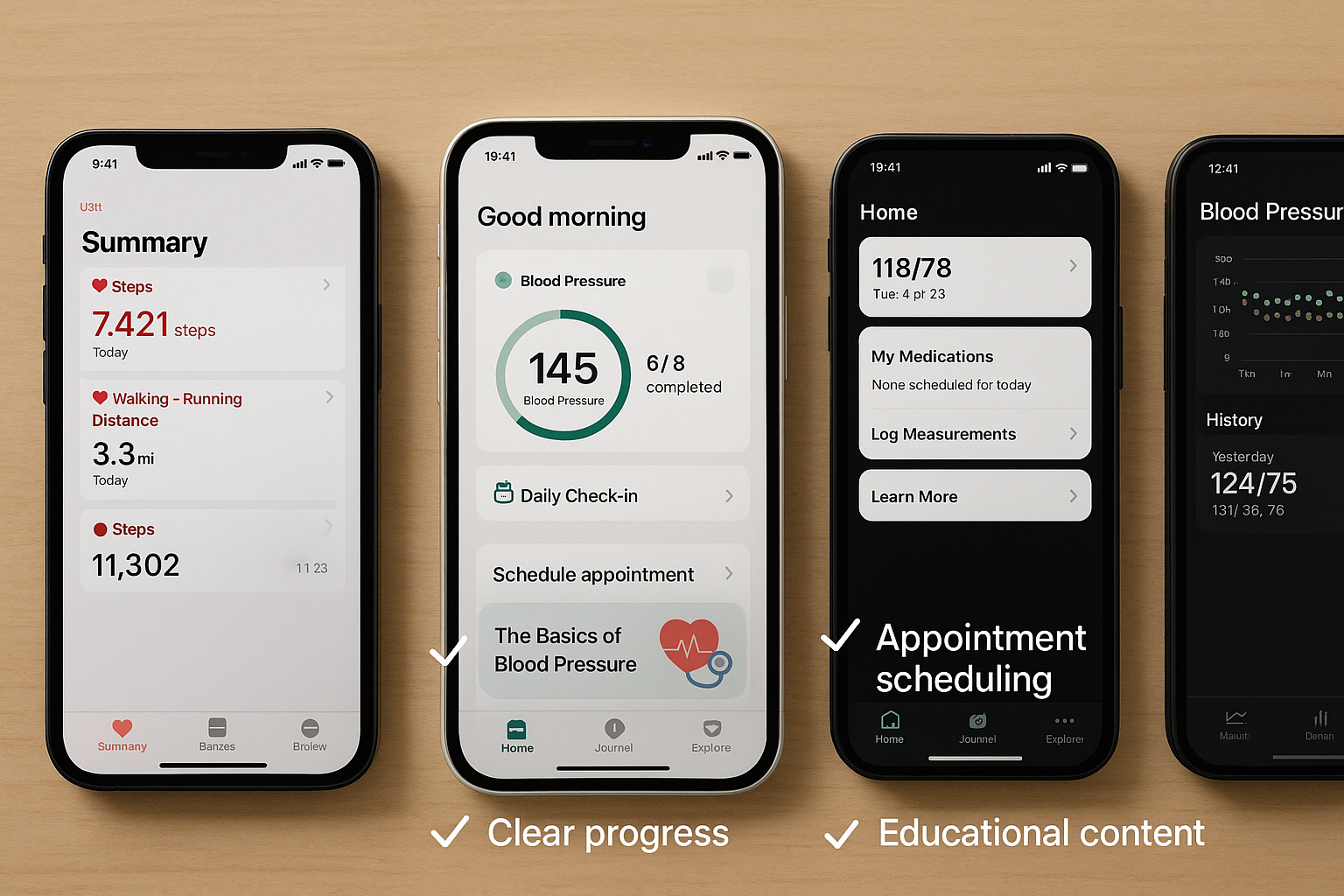
The Internet of Medical Things encompasses connected devices that monitor health, deliver therapies, and transmit data digitally. These devices generate continuous patient data streams that inform clinical decisions, support medication adherence, and enable remote monitoring. For life sciences marketers, connected devices create new engagement touchpoints and data sources.
Smart inhalers track medication usage and provide adherence reminders. Connected insulin pens record dosing information. Implantable cardiac devices monitor heart function continuously. Wearable sensors track activity, sleep, and physiological parameters. These devices often include companion apps that become platforms for patient education, support resources, and direct manufacturer engagement.
Future developments will see expanded integration between connected devices and digital therapeutics, AI-powered analysis of device-generated data to personalize treatment recommendations, and seamless data flow between devices, healthcare providers, and pharmaceutical manufacturers enabling comprehensive care coordination.
Blockchain and Distributed Ledger Technologies
Blockchain technology offers solutions to several persistent challenges in life sciences marketing, particularly around data security, supply chain transparency, and stakeholder trust. Distributed ledgers enable secure, tamper-proof records of clinical trial data, regulatory approvals, and supply chain movements. Smart contracts automate compliance verification and facilitate trusted data sharing among parties.
Life sciences companies explore blockchain for authenticating medications to prevent counterfeiting, creating transparent clinical trial registries accessible to patients and researchers, and enabling secure sharing of patient data for research while maintaining privacy. Blockchain-based systems may eventually support credential verification for healthcare professionals, ensuring marketing communications reach appropriately qualified audiences.
Strategic Imperatives for Future Digital Engagement
Successfully navigating the future of life sciences digital marketing requires strategic focus on several critical imperatives that distinguish effective programs from superficial digital presence.
Omnichannel Orchestration
Modern stakeholders interact with life sciences companies across multiple touchpoints—websites, mobile apps, email, social media, virtual events, in-person interactions, and more. Effective digital engagement requires seamless orchestration across these channels, delivering consistent messaging while respecting channel-specific norms and stakeholder preferences.
Omnichannel strategies integrate data and insights across channels to create unified stakeholder views. A healthcare professional who attends a virtual webinar, downloads a clinical study, and asks questions through a chatbot receives consistent, personalized follow-up reflecting the complete interaction history. Content strategies ensure core messages translate appropriately across formats from brief social media posts to comprehensive white papers.
Implementation requires robust marketing technology infrastructure, organizational alignment across traditionally siloed functions, and sophisticated content strategies that adapt messages for different formats while maintaining scientific accuracy and regulatory compliance.
Personalization at Scale
Generic, one-size-fits-all marketing increasingly fails to engage sophisticated stakeholders inundated with information. Effective digital engagement delivers personalized experiences reflecting individual preferences, specialties, practice patterns, and information needs. Personalization extends beyond simply inserting names into emails to fundamentally tailoring content, timing, and channel selection based on detailed stakeholder understanding.
Advanced analytics and AI enable personalization at scale previously impossible. Machine learning algorithms analyze engagement patterns to predict content preferences, optimal contact times, and preferred channels. Dynamic content systems automatically assemble personalized emails, webpages, and resources from modular content libraries based on recipient profiles.
Effective personalization requires balancing customization with privacy respect and regulatory compliance. Transparency about data usage, clear consent processes, and robust security measures build trust essential for stakeholders to share information enabling personalization.
Value-Based Content Marketing
Life sciences stakeholders increasingly resist promotional messaging, instead seeking genuine value from brand interactions. Content marketing strategies that provide educational resources, clinical insights, practice management tools, and patient support resources build relationships and establish thought leadership.
Healthcare professionals value evidence-based content addressing clinical challenges, summaries of recent research, continuing medical education, and practical implementation guidance. Patients seek condition education, treatment navigation assistance, lifestyle management tips, and peer community connections. Payers require pharmacoeconomic analyses, outcomes data, and utilization management resources.
Successful content marketing in life sciences requires scientific rigor, regulatory compliance, and genuine commitment to stakeholder benefit beyond immediate commercial goals. Companies that consistently deliver valuable content build trusted advisor status that influences decisions when stakeholders face relevant treatment choices.
Community Building and Engagement
Digital platforms enable life sciences companies to facilitate communities where stakeholders connect, share experiences, and support one another. Online patient communities provide peer support, condition education, and treatment journey navigation. Professional communities offer healthcare professionals networking opportunities, case discussion forums, and collaborative learning environments.
Community engagement transforms marketing from transactional messaging to relationship building. Active community participation provides invaluable insights into stakeholder needs, concerns, and preferences that inform product development and marketing strategy. Well-moderated communities become self-sustaining resources where members create content and support each other, reducing company resource requirements while building authentic brand affinity.
Successful community strategies require long-term commitment, authentic engagement rather than heavy-handed moderation, and clear policies balancing open discussion with regulatory compliance and patient safety considerations.
Regulatory Compliance in Digital Environments
Life sciences marketing operates within complex regulatory frameworks governing promotional claims, off-label discussion, adverse event reporting, and data privacy. Digital engagement creates both opportunities and compliance challenges requiring proactive strategy.
Social media’s interactive, real-time nature complicates traditional promotional review processes. User-generated content on company platforms may include off-label discussions or adverse event reports requiring capture and reporting. Global digital reach raises questions about applying country-specific regulations to content accessible worldwide. Data privacy regulations like GDPR and HIPAA impose strict requirements on stakeholder data collection and usage.
Forward-thinking companies develop digital governance frameworks that enable innovation while ensuring compliance. Automated monitoring systems flag potential compliance issues. Clear social media policies guide employee and stakeholder engagement. Privacy-by-design principles embed data protection into digital initiatives from inception. Regular training ensures marketing teams understand evolving regulatory requirements.
The future will likely see regulatory guidance evolving to better address digital realities, potentially including clearer standards for social media engagement, real-world evidence utilization, and patient direct-to-consumer communication.
Emerging Digital Engagement Models
Beyond specific technologies, entirely new engagement models are emerging that reimagine relationships between life sciences companies and stakeholders.
Digital Therapeutics Integration
Digital therapeutics—software-based interventions that prevent, manage, or treat medical conditions—represent convergence of pharmaceutical innovation and digital technology. These FDA-cleared interventions complement or sometimes replace traditional medications, creating new marketing paradigms.
Life sciences companies developing or partnering with digital therapeutics integrate marketing across molecules and software. Marketing strategies emphasize clinical outcomes, user experience, and integration with existing treatment regimens. Distribution channels expand beyond traditional pharmacy to app stores and direct-to-patient platforms.
Engagement shifts from discrete prescribing events to ongoing user relationships as patients interact daily with therapeutic apps. Marketing evolves from driving initial prescriptions to supporting long-term engagement and adherence. Success metrics expand beyond prescription volume to include user retention, engagement depth, and clinical outcomes achievement.
Direct-to-Patient Models and Disintermediation
Digital channels enable pharmaceutical companies to engage patients directly, potentially disintermediating traditional healthcare delivery models. Telemedicine platforms, home delivery pharmacies, and direct-to-consumer genetic testing create opportunities for manufacturers to reach patients without traditional intermediaries.
Some companies launch direct-to-consumer brands leveraging digital marketing to build patient awareness and drive prescription requests. Others create platforms connecting patients with healthcare providers who prescribe specific therapies. Digital support programs provide adherence tools, financial assistance, and condition management resources directly to patients enrolled in treatment.
These models raise strategic questions about channel conflict with traditional healthcare stakeholders, regulatory considerations around patient direct engagement, and competitive dynamics as companies compete on patient experience alongside clinical efficacy.
Ecosystem Partnerships and Platform Strategies
Rather than operating independently, life sciences companies increasingly participate in digital health ecosystems, partnering with technology companies, healthcare providers, payers, and patient organizations to create integrated solutions. Platform strategies position companies as essential ecosystem participants rather than standalone product providers.
Pharmaceutical manufacturers partner with electronic health record vendors to integrate decision support tools recommending appropriate therapies. Device companies collaborate with data analytics firms to offer comprehensive disease management platforms. Biotech companies join forces with patient advocacy organizations to create condition-specific information portals.
Marketing in ecosystem contexts requires relationship building across multiple organizations, value communication addressing diverse stakeholder needs, and brand positioning that emphasizes collaboration and integration rather than exclusive control.
Measuring Digital Engagement Effectiveness
Traditional pharmaceutical marketing metrics like prescription volume and sales remain important but insufficient for understanding digital engagement effectiveness. Comprehensive measurement frameworks assess multiple dimensions of digital performance.
Engagement Metrics
Digital platforms generate rich engagement data including website visits, content downloads, video views, social media interactions, email open rates, and event attendance. These metrics reveal stakeholder interest levels, content effectiveness, and channel preferences. Advanced analytics track engagement depth, measuring not just initial contact but sustained interaction over time.
Marketing attribution models connect engagement activities to downstream outcomes, assessing which digital touchpoints contribute most significantly to prescribing decisions, patient enrollment in support programs, or payer formulary inclusion.
Sentiment and Brand Perception
Social listening tools and sentiment analysis track how stakeholders discuss brands, products, and therapeutic areas online. Monitoring sentiment trends identifies emerging concerns requiring response and measures brand reputation over time. Share of voice metrics assess brand visibility relative to competitors across digital channels.
Periodic surveys measure brand awareness, consideration, and preference among key stakeholder groups, tracking how digital engagement influences brand positioning.
Clinical and Commercial Outcomes
Ultimately, digital engagement should influence clinical decisions and commercial results. Metrics connecting digital activities to prescribing patterns, patient adherence rates, clinical outcomes improvement, and formulary positioning demonstrate marketing impact on business objectives.
Real-world evidence studies may assess whether digital support programs improve medication adherence, whether educational initiatives correlate with appropriate prescribing, or whether patient communities enhance quality of life outcomes.
Return on Investment
Life sciences companies increasingly demand clear ROI demonstration for digital investments. Sophisticated analytics calculate costs per engagement, cost per acquired customer, and customer lifetime value. Marketing mix modeling assesses optimal resource allocation across digital and traditional channels.
Measurement maturity varies significantly across life sciences organizations. Leading companies develop integrated analytics platforms consolidating data across systems, establish clear KPIs aligned with business objectives, and embed measurement into campaign planning from inception rather than treating it as afterthought.
Challenges and Considerations
The future of digital engagement in life sciences, while promising, presents significant challenges requiring thoughtful navigation.
Data Privacy and Security
Increasing digital engagement means collecting, storing, and analyzing more stakeholder data. This creates responsibilities to protect privacy and ensure security. Regulatory frameworks like GDPR impose strict requirements. Beyond compliance, maintaining stakeholder trust requires transparent data practices and robust security measures.
Life sciences companies must implement comprehensive data governance programs, invest in cybersecurity infrastructure, train employees on privacy best practices, and maintain emergency response capabilities for potential data breaches.
Digital Divide Considerations
Not all stakeholders have equal digital access or literacy. Age, socioeconomic status, geography, and disability status create digital divides that purely digital engagement strategies may exacerbate. Inclusive strategies maintain traditional channels alongside digital innovations, ensure digital platforms meet accessibility standards, and provide alternatives for stakeholders who cannot or prefer not to engage digitally.
Content Quality and Medical Misinformation
The ease of digital publishing contributes to proliferation of medical misinformation online. Life sciences companies bear responsibility to provide accurate, evidence-based information while avoiding promotional overreach. Content governance processes ensure scientific accuracy, balanced fair presentation, and appropriate regulatory review.
Companies should also consider proactive roles in combating medical misinformation, partnering with healthcare organizations and technology platforms to promote credible health information.
Organizational Transformation Requirements
Realizing digital engagement’s full potential requires organizational transformation beyond marketing departments. Cross-functional collaboration between marketing, medical affairs, regulatory, IT, and sales is essential. Traditional hierarchical structures may impede the agility digital environments require.
Companies successful in digital transformation invest in change management, develop digital capabilities across the organization, foster experimental cultures tolerant of calculated risks, and align incentives to reward digital innovation and cross-functional collaboration.
Building Future-Ready Digital Capabilities
Life sciences organizations seeking to excel in digital engagement should focus on developing several core capabilities that will remain relevant despite technological change.
Marketing Technology Infrastructure
Robust marketing technology stacks integrating customer relationship management, marketing automation, content management, analytics, and data management platforms provide foundations for sophisticated digital engagement. These systems should enable data integration across platforms, support personalization at scale, facilitate regulatory compliance, and generate actionable insights.
Technology investments should balance cutting-edge innovation with practical scalability and user adoption. The most advanced capabilities deliver no value if organizations cannot effectively implement and utilize them.
Digital-First Mindset and Skills
Digital excellence requires talent with appropriate skills and mindset. This includes data analytics capabilities, content marketing expertise, user experience design skills, social media fluency, and technological literacy. Beyond specific skills, digital-first mindset embraces experimentation, rapid iteration, customer-centricity, and data-driven decision making.
Organizations should invest in talent acquisition, training and development programs, and cultural evolution supporting digital maturity. This may include hiring from outside traditional pharmaceutical industry to bring fresh perspectives and diverse skill sets.
Agile Operating Models
Digital environments change rapidly, requiring marketing organizations to respond quickly. Agile methodologies borrowed from software development enable rapid campaign development, testing, and iteration. Cross-functional teams with clear decision authority can move faster than traditional hierarchical approval processes.
Implementing agile approaches in regulated environments requires balancing speed with appropriate oversight. Streamlined review processes, clear decision frameworks, and risk-based compliance approaches enable both agility and regulatory adherence.
External Partnership Ecosystems
No single organization possesses all capabilities required for digital excellence. Strategic partnerships with technology vendors, digital agencies, healthcare IT companies, and academic research institutions extend capabilities and accelerate innovation. Ecosystem thinking positions companies as collaborative partners rather than isolated competitors.
Effective partnership management requires clear governance structures, aligned incentives, open communication, and mutual value creation. Companies should cultivate networks of partners providing complementary capabilities while maintaining strategic control of core competencies.
Preparing for the Next Decade
Looking beyond immediate trends, several longer-term developments will shape life sciences digital engagement over the coming decade.
Convergence of Prevention, Treatment, and Wellness
Traditional boundaries between pharmaceutical treatment, preventive medicine, and wellness management are blurring. Life sciences companies increasingly position offerings within comprehensive health management contexts rather than narrow disease treatment. Digital engagement strategies will reflect this convergence, addressing stakeholder needs across the health spectrum from prevention through chronic disease management.
Precision Medicine and Hyper-Personalization
Advances in genomics, biomarkers, and data analytics enable increasingly precise patient segmentation and treatment selection. Marketing will evolve from broad population messaging to hyper-personalized engagement reflecting individual genetic profiles, biomarker status, and predictive risk algorithms. Digital platforms will facilitate this precision by delivering individualized content, treatment recommendations, and monitoring protocols.
Decentralized Clinical Trials and Research Engagement
Digital technologies enable decentralized clinical trials where patients participate remotely using telemedicine, wearable sensors, and mobile apps. This shifts trial marketing from site-based recruitment to direct patient engagement through digital channels. It also creates opportunities for ongoing patient engagement post-trial, transforming clinical research participants into long-term brand advocates.
Global Health Equity Focus
Digital technologies offer potential to extend healthcare access to underserved populations globally. Life sciences companies increasingly prioritize global health equity, developing affordable products and digital engagement strategies for resource-limited settings. Mobile-first platforms, offline-capable applications, and culturally adapted content will characterize engagement in emerging markets.
Integration of Human and Artificial Intelligence
Rather than replacing human judgment, AI will augment human capabilities in marketing. Medical science liaisons will use AI assistants accessing vast medical literature instantly. Marketers will leverage AI for data analysis while applying human creativity to strategy and messaging. Sales representatives will utilize AI-powered insights while maintaining irreplaceable personal relationships. Success will depend on effectively integrating human and machine intelligence.
Conclusion
The future of digital engagement in life sciences marketing promises unprecedented opportunities for meaningful stakeholder connection, personalized value delivery, and improved health outcomes. Technologies including artificial intelligence, augmented reality, advanced analytics, connected devices, and blockchain will transform how pharmaceutical companies, medical device manufacturers, and biotech firms engage healthcare professionals, patients, payers, and researchers.
Success in this evolving landscape requires strategic vision extending beyond tactical technology adoption. Organizations must embrace omnichannel orchestration, personalization at scale, value-based content marketing, community engagement, and rigorous regulatory compliance. They must develop new engagement models including digital therapeutics integration, direct-to-patient approaches, and ecosystem partnerships.
Measurement frameworks must evolve to capture engagement depth, sentiment trends, clinical outcomes, and clear return on investment across digital initiatives. Organizations must address challenges around data privacy, digital divides, content quality, and organizational transformation while building future-ready capabilities in marketing technology, digital skills, agile operations, and partnership ecosystems.
The companies that will thrive in coming years are those that view digital engagement not as peripheral marketing tactic but as fundamental to their value proposition and stakeholder relationships. They will invest in capabilities, talent, and technology while maintaining focus on what ultimately matters: improving patient outcomes and advancing human health.
The future of life sciences marketing is digital, personalized, data-driven, and relationship-focused. It is also fundamentally human, requiring empathy, ethical commitment, and genuine desire to serve stakeholder needs. Organizations that combine technological sophistication with human-centered values will lead the industry forward, demonstrating that digital innovation and humanistic healthcare values not only coexist but mutually reinforce to create the future of medicine.
The transformation is already underway. The question is not whether life sciences organizations will embrace digital engagement but how quickly, comprehensively, and effectively they will navigate this essential evolution. The organizations that act decisively today, while maintaining flexibility to adapt as technologies and expectations evolve, will define the future of this critical industry.
References
- Deloitte Insights. (2024). Digital Transformation in Life Sciences. https://www2.deloitte.com/us/en/insights/industry/life-sciences.html
- McKinsey & Company. (2024). The Next Normal in Healthcare. https://www.mckinsey.com/industries/healthcare/our-insights
- IQVIA Institute for Human Data Science. (2024). Digital Health Trends. https://www.iqvia.com/insights/the-iqvia-institute
- U.S. Food and Drug Administration. (2024). Digital Health Center of Excellence. https://www.fda.gov/medical-devices/digital-health-center-excellence
- Digital Therapeutics Alliance. (2024). Industry Standards and Best Practices. https://dtxalliance.org/
- Pharmaceutical Research and Manufacturers of America (PhRMA). (2024). Innovation and Industry Insights. https://www.phrma.org/
- Healthcare Information and Management Systems Society (HIMSS). (2024). Digital Health Resources. https://www.himss.org/resources/digital-health
- European Medicines Agency. (2024). Innovation in Medicines. https://www.ema.europa.eu/en/human-regulatory/research-development/innovation-medicines
- MIT Sloan Management Review. (2024). Digital Innovation in Healthcare. https://sloanreview.mit.edu/topic/digital-innovation/
- Harvard Business Review. (2024). Healthcare Management and Innovation. https://hbr.org/topic/health-care-management
- PwC Health Research Institute. (2024). Life Sciences Industry Insights. https://www.pwc.com/us/en/industries/health-industries/library.html
- ZS Associates. (2024). Life Sciences Marketing and Sales Insights. https://www.zs.com/industries/life-sciences